
If your mental load feels heavier than it used to, you are not imagining it. The modern workday plus home responsibilities can turn mental load into a constant background process that never fully shuts off.
You may look productive on paper, yet still feel mentally tired before the day is done. The goal is not to do everything faster, but to carry fewer invisible decisions at once.
With the right system and tools, you can think more clearly and recover more consistently.

Why Mental Load Builds Even When You Are Not Busy
Mental load often rises when your brain is tracking too many unfinished items at the same time.
It is not only the tasks you do, but the mentally active tasks you remember, anticipate, and monitor for later. This is why an average day can feel draining even without major problems.
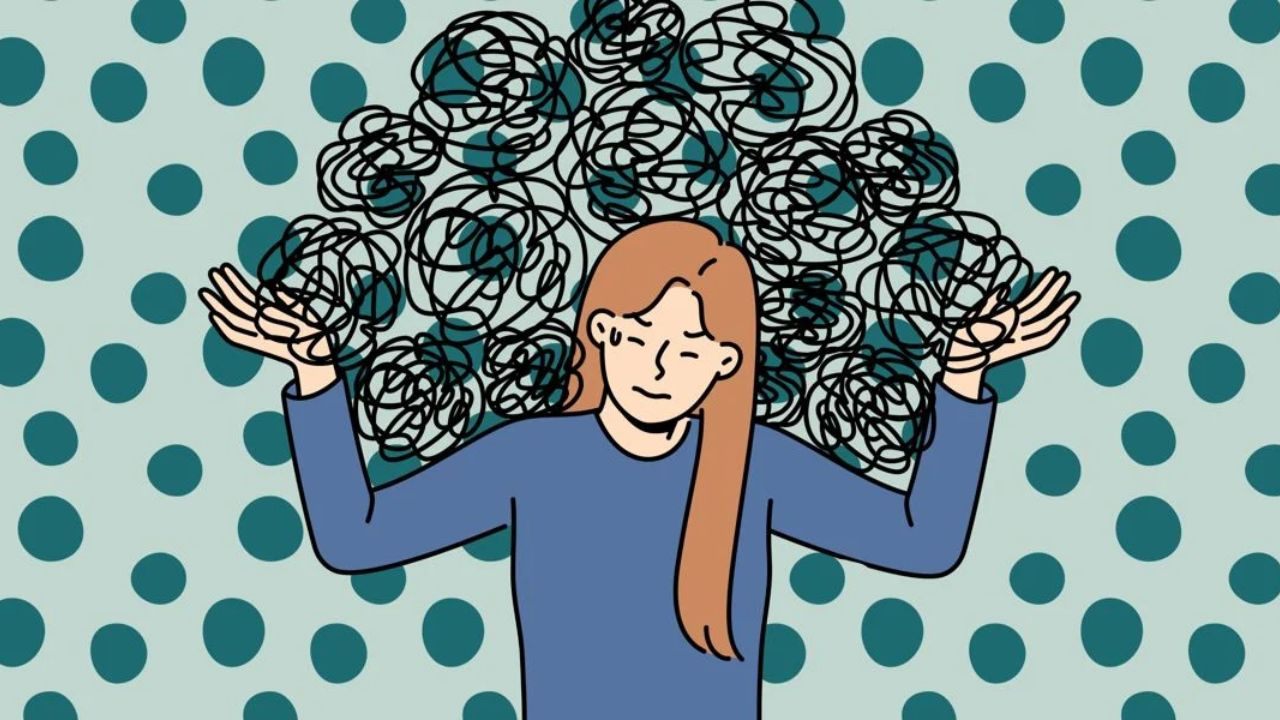
When your mind becomes the storage place for reminders, obligations, and contingencies, you lose attention and patience faster. The solution starts with understanding what keeps tasks mentally active.
Unfinished Tasks That Stay Mentally Active
Unfinished tasks stay sticky because your brain treats them like open loops that still need closure. Even small items like sending a message or booking an appointment can keep resurfacing until you capture them properly.
This background scanning steals attention from the task in front of you, which makes work feel harder than it is.
You may also feel restless because your mind is trying to prevent something from being forgotten. A reliable capture habit reduces this noise by moving tasks out of memory.
Switching Costs From Interruptions
Interruptions raise mental load because each switch forces your brain to rebuild context. You lose time remembering what you were doing, what matters, and what the next step is.
When interruptions stack, you feel busy without feeling effective, which increases stress and self-doubt. This is why constant checking can feel responsible while quietly draining you.
Switching costs usually create more output, even if your pace feels slower. Protecting focus time reduces the hidden cost of reorientation.
Emotional Load From Responsibility And Uncertainty
Mental load grows when you feel responsible for outcomes you cannot fully control. Unclear expectations, shifting priorities, and ambiguous feedback create mental scanning for risk.
You may replay conversations, anticipate problems, or overprepare to avoid mistakes. That emotional monitoring is real work, even if it does not show up on a task list.
Over time, uncertainty can make simple tasks feel heavy because your brain is managing consequences. Clarity, boundaries, and shared ownership reduce this load.
How Mental Load Shows Up In Your Body And Behavior
Mental load is not only cognitive, because it affects your nervous system and daily habits.

When your brain carries too much, your body often shifts into a higher stress state. You may feel less flexible, less patient, and more reactive, even when nothing is “wrong.”
Many people also cope by avoiding decisions, which creates short-term relief and long-term pressure. Recognizing the signs helps you intervene earlier and with more precision.
Irritability, Brain Fog, And Lower Patience
One common sign is brain fog, where thinking feels slower, and decisions feel unusually hard. You may reread messages, forget small steps, or struggle to start tasks that used to be routine.
Irritability can rise because your stress tolerance drops when your brain is overloaded. This can show up as snapping, withdrawing, or feeling disproportionately annoyed by minor interruptions.
The problem is not your character, it is your capacity. Reducing load restores patience faster than trying to push through.
Tension, Headaches, And Energy Swings
Mental load often shows up physically through tight shoulders, jaw clenching, headaches, and fatigue. You may feel a sharp energy dip mid-afternoon because sustained cognitive strain is exhausting.
Sleep can also become lighter if you end the day still carrying unresolved work or household planning. When your body stays activated, recovery becomes weaker, which raises the load the next day.
This loop can feel like constant low-grade stress. Small daily recovery practices help break it by lowering baseline arousal.
Doomscrolling And Avoidance As Overload Signals
When mental load is high, avoidance often increases because your brain wants relief from decisions. Doomscrolling, excessive snacking, or bouncing between tabs can become a quick escape from responsibility.
The issue is that avoidance keeps tasks unfinished, which increases open loops and pressure later. You may also feel guilt, which adds emotional weight on top of the workload.
A better strategy is planned relief, like short breaks that truly reset your state. Rest works best when it is intentional and time-limited.
A Practical System To Reduce Decisions Every Day
Managing mental load is easier when you reduce the number of decisions you must make repeatedly.

You do that by standardizing what repeats, planning ahead in small chunks, and building rules that protect your attention. This system does not require perfect discipline, but it does require consistency.
The goal is to make the default day simpler, so you stop negotiating with yourself all the time. When decisions drop, energy and clarity usually rise.
Standard Routines For Repeating Tasks
Routines reduce mental load because they turn common tasks into automatic sequences. You can standardize morning prep, email processing, meal planning, or end-of-day shutdown steps.
The best routines are short, realistic, and tied to a trigger, like finishing breakfast or closing your laptop.
This removes the daily debate about when and how to do the task. It also prevents small chores from becoming a source of background anxiety. A good routine is not strict; it is reliable.
Weekly Planning That Prevents Daily Chaos
Weekly planning works because it moves decisions out of the busiest moments. Set one short session to review your commitments, deadlines, and the most important outcomes.
Then pre-decide a few anchor blocks for deep work, errands, and recovery time. This makes the week feel less like a constant reaction and more like guided execution.
It also helps you see capacity limits before you overcommit. Planning weekly reduces the number of urgent decisions you face on random weekdays.
Saying No Without Burning Bridges
Mental load rises when you say yes by default and then carry the cost privately. A better approach is using simple language that buys time and protects boundaries.
You can say you need to check your workload, offer an alternative timeline, or ask what priority the request replaces.
This keeps you cooperative without becoming the default solution for everything. Clear tradeoffs reduce resentment and reduce hidden work. Saying no is often a mental load strategy, not a social failure.
A myriad of Ways That Make Life Feel Lighter
Tools can reduce mental load by removing friction and making decisions easier. The right tools help you externalize reminders, automate routines, and reduce input overload.

The wrong tools add more notifications, more tracking, and more maintenance work. Choose a small set that matches your biggest bottleneck, then keep it simple for two weeks.
For credible guidance, rely on established health sources like the NHS, APA, NIMH, Mayo Clinic, and Harvard Health. These organizations publish practical advice on stress, behavior change, and well-being.
Habit And Routine Tools That Remove Guesswork
Habit apps work best when they support consistency without guilt or complexity. Streaks is useful for simple daily routines with clear visual tracking.
Habitica uses gamification, which can help when motivation is low and tasks feel heavy. Way of Life is strong for pattern awareness, especially if you want to see triggers that increase stress.
Keep the habit list short, so you do not create another dashboard to manage. The goal is fewer decisions, not more metrics.
Calendar And Scheduling Tools That Protect Time
Scheduling reduces mental load when it becomes your single source of truth for time. TimeTree is helpful for shared planning, especially for families or teams coordinating events.
Google Calendar and Outlook Calendar work well when you add recurring blocks for focus, breaks, and shutdown time. The key is treating these blocks as real commitments, not optional ideas.
When your calendar reflects reality, you stop renegotiating your day every hour. A protected schedule prevents mental clutter from constant rescheduling.
Focus And Input Control Tools For Quieter Workdays
Focus tools reduce mental load by helping you limit the amount of input your brain must process. One Sec adds a pause before opening distracting apps, which helps break automatic checking loops.
Minimalist Phone simplifies your home screen to reduce impulsive taps and notification chasing. Pocket is useful as a read-later tool, so you stop keeping articles open as mental reminders.
These tools are most effective when paired with focus windows and scheduled communication times. Less input creates more space for clear thinking and completion.
Conclusion
Managing mental load is less about willpower and more about reducing open loops and repeated decisions.
When you standardize routines, plan weekly, and protect focus time, your brain stops acting like a full-time reminder system. With fewer decisions and clearer boundaries, you can feel lighter while still staying effective.