
If your money feels harder to manage than it used to, you are not alone. Daily money management is less about strict rules and more about a clear plan you can repeat without stress.
Most people run into trouble because small decisions pile up, bills hit on different dates, and spending becomes invisible on cards and apps. The fix is not perfect. It is a simple budget, a few daily habits, and the right tools to keep you consistent.
The Hidden Traps That Derail Everyday Money Management
Most financial slip-ups are not caused by one big mistake. They come from routines that make spending easy to ignore until the month feels tight.
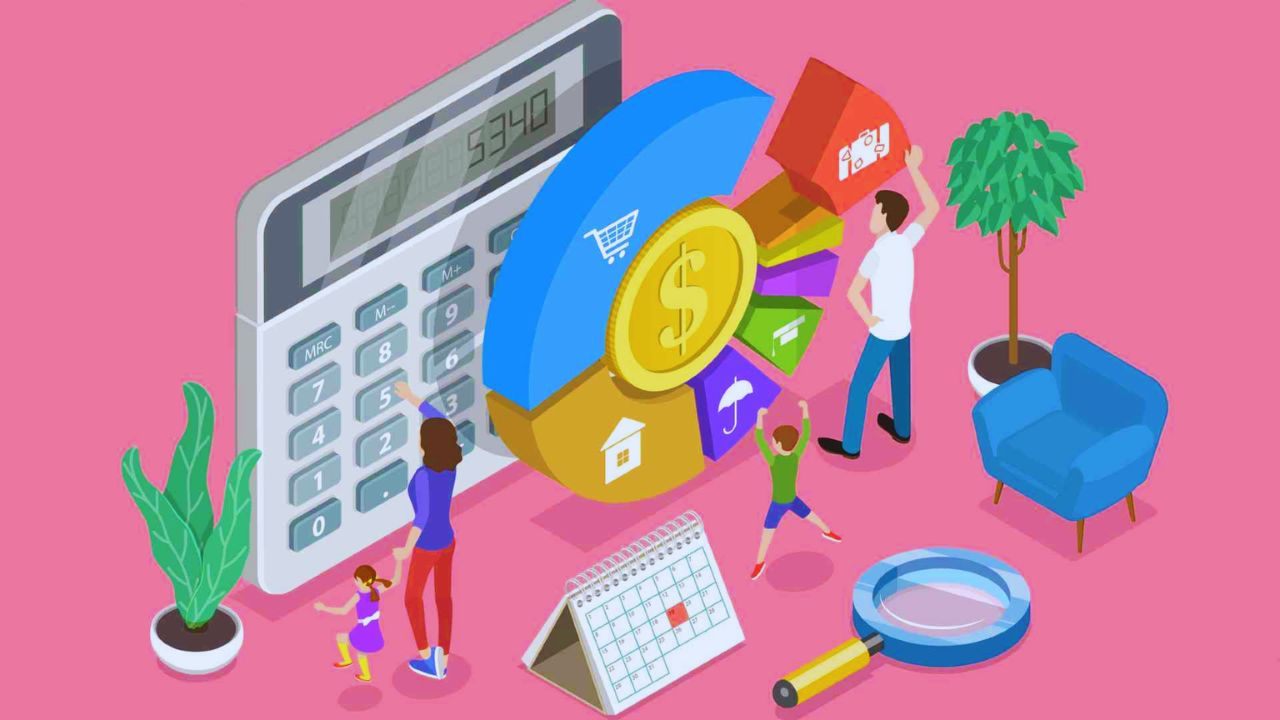
When you do not know what is coming next, you make decisions based on mood, not math, and that creates anxiety.
A stronger approach starts with understanding the common patterns that cause budget drift. Once you can name the problem clearly, you can build a system that prevents it.

The “Small Spend” Pattern That Quietly Drains Your Month
Daily spending is often the hardest to control because it feels harmless in the moment. Convenience buys like snacks, delivery fees, and quick online deals can quietly take a meaningful share of your income.
The challenge is not that these purchases exist, but that they are hard to notice without a simple tracking habit.
When you see the totals, you can set limits that match your real life. That clarity is what keeps a budget from feeling like guessing.
Recurring Charges And Due Dates That Create Surprise Shortfalls
Subscription creep happens when recurring charges keep running while your attention is elsewhere. Free trials become monthly fees, and older services stay active because canceling feels like a chore.
Timing makes it worse, since multiple bills can hit in the same week and make your account look lower than expected.
A practical fix is listing every recurring bill and its due date, then checking that list weekly. That one step reduces surprise spending and helps your plan hold up.
Why “Perfect Budgets” Collapse In Real Life
A budget collapses when it assumes you will never have an off day, a birthday gift, or an unexpected car expense. If your plan is built on best-case behavior, it will not survive a normal month.
A workable budget uses your real numbers, including variable categories and irregular costs, then adjusts as life changes.
The goal is not to restrict everything, but to make trade-offs visible before you spend. This is a common consumer finance approach to building a “working budget.”
A Budget Blueprint You Can Maintain Without Burning Out
A strong budget is a decision tool, not a spreadsheet you abandon after a week. It should tell you what you can spend today without harming your bills or goals tomorrow.
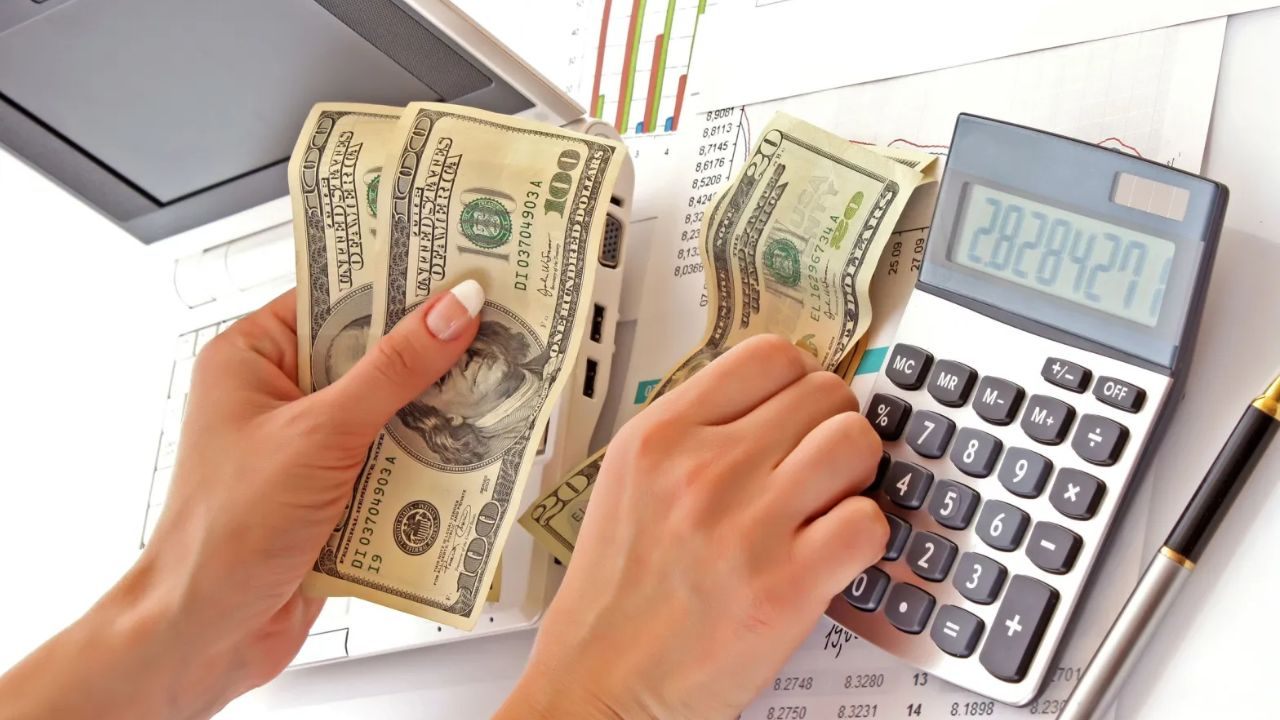
The best budgets are simple enough to maintain and specific enough to guide daily choices.
Start with what comes in, list what must go out, then choose a structure for spending and saving. If you keep the system easy to review, it becomes a routine instead of a burden.
Start With Take Home Pay And Non Negotiable Bills
Start with your take-home pay, not your pre-tax salary, because you need a number you can use for decisions. List fixed bills like rent, utilities, insurance, and minimum debt payments, then list essentials that vary like groceries and transportation.
Use recent statements to estimate those variable essentials, since memory usually underestimates spending.
This step is where financial control begins, because it separates what must be paid from what you can adjust. A clear list also helps you spot gaps before they become emergencies.
Use The 50 30 20 Framework As A Starter Template
If you want a simple baseline, the 50 30 20 framework is a widely used starting point. It suggests roughly 50 percent for needs, 30 percent for wants, and 20 percent for savings and financial goals.
It is not a strict rule, especially in high-cost areas, but it gives you a structure you can personalize.
If rent is high, your needs may exceed 50 percent, so you adjust wants and savings until the plan matches reality. The key is using it as guidance, not a scorecard.
Turn Irregular Expenses Into Planned Monthly Set Asides
Irregular expenses are predictable over a year, even if they do not show up every month. Think car maintenance, medical co-pays, annual fees, school costs, and holiday spending.
If you treat these as unexpected, your budget will keep breaking, and you will keep feeling behind.
A better approach is to create planned monthly set-asides for irregular costs and save them in advance. This reduces stress and protects your emergency fund for true emergencies instead of expected bills.
Micro Habits That Keep Your Spending Honest Every Day
Budgets succeed through small habits, not big motivation. You need routines that keep you aware of spending without turning money into a daily obsession.

The best habits are quick, repeatable, and tied to a specific moment in your day. When you do them consistently, your spending stops drifting, and your decisions get calmer.
You also catch problems earlier, which prevents late fees, overdrafts, and end-of-month panic.
The Two Minute Money Check That Prevents End Of Month Panic
A daily check-in is a fast way to stay grounded. Look at your main account balance, scan your most recent transactions, and confirm what bills still need to clear before your next payday.
This helps you avoid spending money that is already spoken for, which is a common cause of surprise shortfalls.
It also helps you spot errors like duplicate charges or forgotten trial subscriptions. When the check-in becomes routine, it takes less effort and delivers more confidence.
Spending Guardrails That Stop Impulse Buys Before They Start
Impulse spending often happens when you are tired, stressed, or bored, not when you are making thoughtful choices.
A simple rule like waiting 24 hours before non-essential purchases over a set amount can cut regret spending without removing fun.
Another strict rule is setting a weekly wants limit, then stopping when it is gone, no negotiating. Rules work because they reduce decision fatigue. Instead of debating every purchase, you follow a plan you decided on when you were calm.
Cash Flow Clarity So You Always Know What Is Safe To Spend
Many people have a budget but still feel anxious because they do not know what is safe to spend right now. Cash flow clarity means knowing what is coming out next, when income arrives, and what must stay in your account to avoid problems.
One simple approach is to keep a small buffer in checking and treating it as untouchable for wants.
Another approach is using a bill's account and a spending account to prevent accidental overspending. Visibility lowers stress because it replaces guessing with clear numbers.
Apps And Tools That Turn Money Management Into A System
Tools can make a good system easier to follow, especially when your schedule is busy.

The best apps reduce friction by automating tracking, showing patterns clearly, and helping you plan around bills. The wrong tools add complexity and notifications, which can make you quit.
Choose tools that match how you think and how much time you will realistically spend managing your finances each week. Think of apps as support for habits, not a replacement for a plan.
YNAB For Category Clarity And Intentional Spending
YNAB is built around assigning every dollar a job, so you know what your money is meant to do before you spend it.
This can reduce stress because you stop relying on a vague feeling of affordability. When life changes, you can adjust categories while keeping the overall plan intact, which is more realistic than pretending your budget will never shift.
For people who want hands-on control, it creates a strong habit of checking categories before spending. The method is clearly explained as “give every dollar a job.”
Rocket Money For Subscription Control And Monthly Waste Cuts
Rocket Money is known for helping people identify subscriptions and recurring payments so they can see what is quietly draining their budget.
This is useful if your plan keeps failing because charges hit automatically, and you forget they exist.
Even if you do not cancel anything right away, seeing recurring costs in one view can help you make faster, clearer decisions. The main value is that it turns hidden spending into a list you can act on. It is especially helpful when bill timing keeps surprising you.
Quicken Simplifi And Empower For A Cleaner Financial Overview
Quicken Simplifi is positioned around building a spending plan and tracking cash flow, which helps you plan around bills instead of reacting to them.
Empower Personal Dashboard is widely used for account aggregation and net worth tracking, which can help you see patterns across accounts without switching between bank apps.
These tools can support better decisions because they make the full picture visible in one place. If you prefer low-effort oversight, dashboards like this can reduce manual tracking while still keeping you informed.
Conclusion
Better daily finances come from systems that are simple enough to repeat. Strong money management starts with a realistic budget based on take-home pay, recurring bills, and the costs you usually forget.
When you add a quick daily check-in and a few spending rules, you stop drifting and start making calm decisions.