
If too many choices are wearing you down, you are not alone, and you are not overreacting. Too many choices force your brain to compare, predict, and second-guess, even when the decision looks small.
That effort adds up across a day and can leave you tired, scattered, and less patient with people and problems.
The fix is not to care less. It is to reduce decision volume, simplify your options, and use a few practical rules that protect your attention.

Why Too Many Choices Drain Your Energy
Choice overload is a real mental workload, not a personality flaw. Every decision uses attention, working memory, and emotional regulation, especially when the outcome feels uncertain.
When options keep coming, your brain has less capacity for focus, creativity, and calm communication.

You can still make good decisions, but you pay a higher energy cost to do it. Understanding the mechanics helps you stop blaming yourself and start changing the system that creates the overload.
Decision Fatigue Reduces Self Control
Decision fatigue happens when repeated choices wear down your ability to choose calmly and consistently. After a day of deciding, you may feel more impulsive, more avoidant, or more likely to pick the easiest option rather than the best one.
This is why late-day choices can feel heavier than morning choices, even if they are similar.
Your brain is trying to conserve energy, and that can look like procrastination. The solution is fewer daily decisions and earlier timing for the ones that matter.
Constant Comparison Triggers Regret And Anxiety
When you face many options, your mind naturally compares what you gain against what you might lose. That comparison process can trigger fear of regret, fear of missing out, and a feeling that you must research more to avoid a mistake.
Even after you decide, you may keep replaying other options and wondering if you chose wrong.
This creates lingering tension that drains energy long after the decision is done. You reduce this drain by aiming for “good enough” and committing without reopening the question.
Attention Fragmentation Lowers Your Cognitive Bandwidth
Too many choices fragment attention because you keep switching between options, details, and sources of input. Your brain holds multiple possibilities in working memory, and that makes it harder to start, finish, or stay present.
This is especially common when you are scrolling, shopping, comparing tools, or responding to messages all day.
Each switch has a hidden cost, and the cost shows up as mental fog and irritability. Attention Fragmentation restores clarity faster when you reduce inputs and open fewer tabs.
How Choice Overload Shows Up In Daily Life
Choice overload is not limited to big life decisions. It often comes from small, repeated choices that never stop arriving, especially when technology keeps offering new options and new opinions.

You may feel drained after a normal day because your brain never had a break from evaluation.
The pattern can also create a sense of being behind, since deciding takes time, and action gets delayed. Once you can spot where overload shows up, you can target the biggest sources first.
Shopping, Scrolling, And Endless Micro Decisions
Online shopping and social feeds can create a steady stream of choices that look harmless but quietly drain you. You compare products, read reviews, check alternatives, and keep searching because there is always another option.
The same thing happens with entertainment choices, food delivery, and content recommendations, where the decision expands into a research loop.
Your brain stays in evaluation mode, and that makes rest feel less restful. Limiting sources and limiting time spent browsing are often the fastest fixes.
Workday Tool Overload And Priority Confusion
At work, choice overload often comes from too many tools, too many tasks, and unclear priorities. You may spend the day deciding what to answer first, which platform to check, and what “done” even means.
When every request feels urgent, you keep switching tasks and lose the satisfaction of completion.
That creates a sense of constant effort with low progress, which is a direct energy drain. Clear priorities, fewer channels, and structured work blocks reduce decision load and improve focus.
Social Plans And Personal Goals Become Mentally Noisy
Choice overload also shows up in personal life when you feel pressure to optimize every plan. You may overthink where to go, what to eat, how to spend free time, and what habit to build next.
When you are trying to become a better version of yourself, you can end up chasing the perfect plan instead of a workable one.
This creates mental noise and can make evenings feel busy even when nothing is scheduled. A small set of defaults can reduce stress and protect energy without making life boring.
What To Do When Options Take Over
You do not need a drastic lifestyle change to reduce choice overload. You need a few repeatable moves that cut options quickly and create closure.

The goal is to stop decisions from expanding, stop research from becoming endless, and stop unfinished choices from following you into the night.
These steps work best when you treat them like a decision protocol, not a mood-based strategy. When you keep the protocol simple, it works even on tired days.
Use Defaults And Filters To Choose “Good Enough”
Defaults And Filters remove repeated decisions, and they help you choose quickly when you do have to decide. Start with non-negotiables, like budget, time, values, or health, and eliminate anything that fails those constraints.
Then use one preference rule, such as “the simplest option,” “the most repeatable option,” or “the option with the lowest downside.”
For low-stakes choices, stop trying to optimize and start trying to finish. You protect energy by deciding once and moving forward without rechecking.
Set Decision Deadlines And Stop Rules
Decision Deadlines prevent decisions from consuming your whole day. Set a deadline based on the stakes, such as ten minutes for a meal choice, twenty minutes for a small purchase, and a planned window for bigger decisions.
When the timer ends, choose the best option you have seen and stop searching. Use a stop rule like “three options is enough” or “two sources is enough.” Deadlines create closure, and closure reduces the mental load that causes fatigue and indecision.
Close Open Loops So They Do Not Follow You To Bed
Unfinished decisions create mental chatter, and mental chatter can delay sleep and lower tomorrow’s energy. Use a short capture routine at the end of the day: write down the decision, the next step, and when you will handle it.
This tells your brain the problem is parked, not ignored. Keep the list short so it does not become a new source of stress.
If a decision is truly low stakes, decide quickly and move on. Better closure often improves rest without any extra relaxation technique.
How To Avoid Choice Overload Long Term
Short-term tactics help in the moment, but long-term relief comes from reducing the number of repeated choices your day demands.
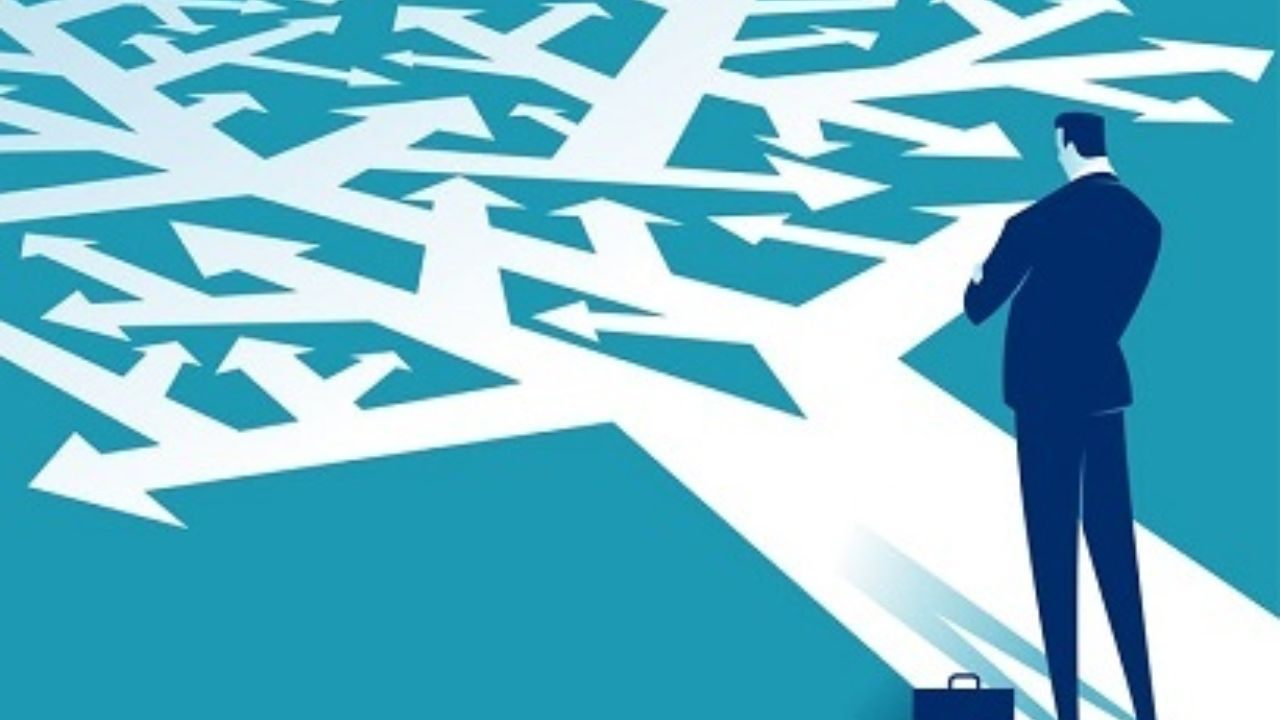
That is done through routines, boundaries, and curated inputs that limit how often you enter comparison mode.
This does not remove freedom; it protects your attention so you can use it where it matters.
A simpler system also helps you stay consistent with habits, because you are not renegotiating every step. The goal is fewer decisions, not fewer goals.
Standardize Daily Decisions That Do Not Need Creativity
Standardize Daily Decisions that do not deserve fresh decision-making every time. Create a small meal rotation, a default grocery list, and a short set of go-to outfits that fit your routine.
Decide your morning basics once, like wake time, breakfast structure, and a simple movement option you can repeat.
This reduces decision load early, when your day is being set. Standardizing the basics does not limit your life; it protects your energy for work, relationships, and meaningful choices.
Curate Inputs That Create Too Many Options
Many people feel drained because their input stream is endless. Reduce sources by choosing a few trusted places to shop, a limited set of creators to follow, and a smaller number of work channels you actively monitor.
Unsubscribe from marketing lists that push constant recommendations and remove apps that encourage endless browsing.
If you need research, do it in a bounded window, not throughout the day. Curated inputs reduce option volume, and that quickly lowers mental strain and improves focus.
Use Weekly Planning To Reduce Daily Renegotiation
Weekly planning reduces the need to decide from scratch every morning. Pick your top priorities, define what success looks like, and choose the next steps that move the week forward.
When new requests appear, compare them against your plan instead of treating each one as a fresh crisis.
This creates a stable map, which reduces anxiety and decision fatigue. It also makes it easier to say no to low-value options that drain energy. A clear weekly plan turns choice into structure instead of noise.
Resources, Tools, And Apps That Reduce Choice Overload
The right tools reduce choices by creating structure rather than adding more decisions. Useful resources help you decide faster, capture decisions cleanly, and limit distractions that keep you in comparison mode.

The wrong tools create more options and more settings, which makes the problem worse.
Choose tools that feel simple to use on a tired day. When a tool reduces friction, you will use it consistently, and consistency is what protects your energy over time.
Decision Frameworks That Cut Through Overthinking
Simple frameworks work because they reduce decision load to a few clear questions. Try a two-question filter: “Does this meet my constraints?” and “Will I still care about this in a month?” for many everyday decisions.
For work choices, use an impact versus effort check to avoid spending energy on low-impact tasks.
A pre-mortem question can also help: “What would make this decision fail?” These frameworks are common because they prevent endless analysis and create a clean path to action.
Practical Tools That Reduce Inputs And Open Loops
Use built-in settings before you add new apps. Turn off non-essential notifications, batch-check email and messages, and remove shortcuts that pull you into scrolling.
For decisions you cannot make now, use a single capture tool so you do not create scattered lists across platforms.
A simple calendar reminder can also create closure by assigning a time to decide. Reduce inputs and open loops so you reduce options and reduce mental noise. Together, these moves protect energy and improve sleep quality.
Apps That Help You Manage Too Many Choices
A few apps can reduce decision load by turning daily actions into simple systems. TickTick helps you prioritize, time-block, and stop re-deciding what to do next throughout the day.
Google Keep supports fast capture, so decisions and ideas stop spinning in your head when you are trying to focus.
Paprika helps you standardize meals by saving recipes and building grocery lists, which cuts daily food decisions dramatically. Routinery supports routines by guiding steps in order, so you act without constant negotiation.
Conclusion
Too many choices drain your energy because your brain spends the day comparing, predicting, and second-guessing. You can reduce the drain by using defaults, setting decision deadlines, and capturing open loops so they stop following you into the night.