
You can do everything “right” and still feel like your brain is running on fumes. Mental fatigue is rising because daily life now demands constant attention, rapid task switching, and late stimulation.
Mental fatigue is not just being sleepy, and it is not fixed by one long nap or a quiet weekend. In this guide, you will learn what drives it, how to relieve it with practical steps, and which apps can support recovery without adding more noise.
What Mental Fatigue Really Is And How To Spot It
Mental fatigue is a drop in your ability to think clearly after sustained cognitive effort. You may notice slower reading, lower patience, and more mistakes in routine tasks.

Sleep deficiency can worsen learning, focusing, and reacting, which often feels like brain fog in real life.
The key is to separate mental fatigue from normal tiredness so you can choose the right fix and avoid wasting effort on the bad habits.
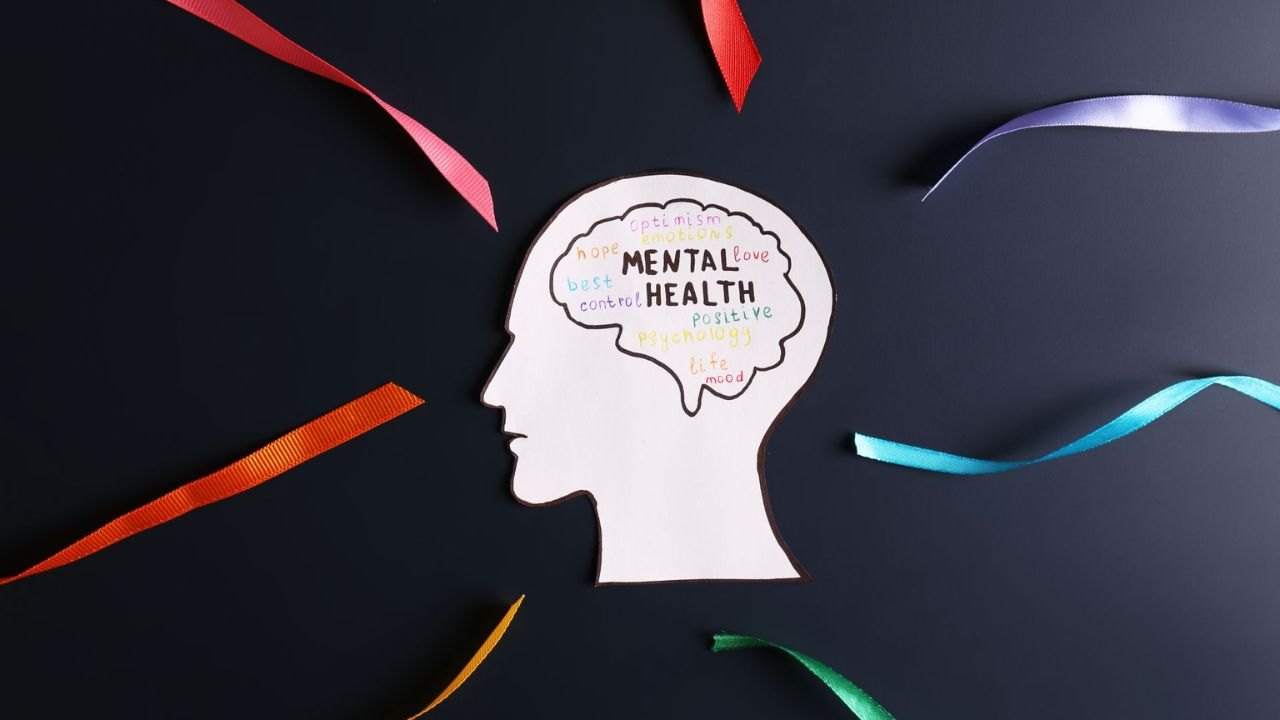
Mental Fatigue Versus Sleepiness Versus Burnout
Sleepiness is the urge to fall asleep, while mental fatigue is the sense that thinking takes more effort than it should.
Burnout is different, and the World Health Organization describes it as an occupational phenomenon tied to unmanaged workplace stress.
You can feel mentally fatigued without being burned out, especially during high-pressure weeks. Getting the label right helps you choose smarter fixes, from sleep timing to workload design.
Subtle Warning Signs That Show Up Early
Mental fatigue usually shows up as small slips before it becomes a bigger problem. You may reread messages, forget why you opened an app, or struggle to start tasks you normally handle.
Many people also notice faster irritation, lower tolerance for noise, and more procrastination late in the day. If these signs appear most days, treat them as a signal to protect recovery, not as a reason to push harder.
Why A Tired Brain Cuts Corners
When your mind is depleted, it saves effort by simplifying choices and avoiding planning. That is why you may default to scrolling, snacking, or rushed replies instead of clearer decisions.
Multitasking makes this worse because each switch forces your attention to reload context and raises errors. Research organizations warn that switching costs can take a real bite out of productive time.
Why Mental Fatigue Keeps Increasing In Daily Life
It is easier than ever to stay mentally ‘on’ from morning to night. Notifications, feeds, and constant messages keep your attention in restart mode, which increases cognitive load for many adults.

At the same time, people often try to recover with late nights and irregular wake times, which weakens sleep quality. Public health guidance emphasizes consistent schedules, limiting late electronics, and avoiding late caffeine because timing shapes recovery.
Sleep Quality And Irregular Schedules Quietly Drain You
Sleep quantity matters, but sleep timing and sleep quality can matter just as much for mental clarity. Health guidance recommends going to bed and waking up at the same time each day and turning off electronic devices at least 30 minutes before bedtime.
If your schedule shifts often, your internal clock struggles to predict when to power down. Over weeks, you may wake unrefreshed, rely on more caffeine, and feel foggier early in the day.
Decision Overload And Constant Micro Choices
Mental fatigue rises when your day is built on nonstop micro-decisions. Every reply, notification, and tiny choice uses attention and self-control, even if it feels trivial.
When you are stressed or underslept, the cost of each choice is higher because your brain has less flexibility. The result is more shortcuts, more impulsive choices, and more frustration, which can create a loop that makes fatigue grow.
Stress, Rumination, And An Overactive Mind At Night
Chronic stress keeps your nervous system activated longer than it should, which blocks deep recovery. Rumination can turn bedtime into problem-solving, so you lie still while your mind stays busy.
Time spent replaying problems in bed can cut into real sleep time, even when you think you are resting. Research links rumination to higher cognitive arousal that delays sleep and lowers perceived sleep quality.
A Practical Plan To Alleviate Mental Fatigue This Week
You do not need a full lifestyle overhaul to reduce mental fatigue, but you do need steady execution.

Start with high-leverage changes that improve recovery while lowering daily load: stable sleep timing, fewer interruptions, and real breaks. Think in two-week blocks so you can measure patterns instead of reacting to one bad day.
If you can make your evenings calmer and your work blocks more focused, your brain will have more capacity for everything else.
A Two-Week Sleep Reset That Improves Cognitive Recovery
Start with a wake time you can keep most days, then set a bedtime that protects your sleep window. Use a short wind-down routine and stop screens at least 30 minutes before bed, which is a common recommendation in sleep guidance.
Avoid caffeine later in the day if it affects you, and keep alcohol and heavy meals away from bedtime. If you need to shift your schedule, move it gradually so your body clock can adapt.
Reduce Mental Load With Simple Systems And Boundaries
Mental fatigue drops when you stop asking your brain to hold everything at once. Capture tasks in one place, then review them at set times so you are not scanning your memory all day.
Batch messages into a few check-in windows, because constant pings keep you in partial attention. During focused work, do one task at a time, close extra tabs, and protect your environment so your attention can stay stable.
Micro Recovery And When To Escalate For Help
Breaks help only when they reduce arousal instead of adding more stimulation. Once or twice an hour, stand up, drink water, and take a few slower breaths, then return to one clear task.
If fatigue persists for weeks or if you feel unsafe while driving or working, consider a medical check for sleep problems or other causes. If it comes to that point, safety should be the deciding factor, not pride.
Apps That Can Support Fatigue Relief
Apps cannot replace sleep or fix chronic stress on their own, but they can support repeatable recovery habits.

The best tools lower mental noise, guide short breathing or mindfulness breaks, and make a consistent wind-down easier.
Pick one app you will actually use, because consistency matters more than having every feature. Also, set a rule that you will close the app after your session, so it does not turn into extra screen time.
Headspace For Mindfulness And Stress Skills
Headspace is designed around guided mindfulness exercises that can fit into short breaks. It offers meditation sessions aimed at stress relief and attention training, which can help when your mind feels crowded.
Headspace also includes sleep-focused wind-down audio like soundscapes and sleepcasts, which can support a consistent bedtime routine. To keep it simple, choose one short daily session and repeat it for two weeks before you judge results.
Calm For Wind-Down Routines And Better Sleep Cues
Calm focuses on guided meditation, breathwork, and sleep content such as Sleep Stories and soundscapes. Its real value is a repeatable routine that signals your brain the day is ending, even when you feel wired.
Calm highlights fall asleep collections built around stories, music, and meditations, which can reduce rumination at night. Use it for a fixed time, then put the phone out of reach so the routine supports sleep instead of delaying it.
Insight Timer For Breathwork And Flexible Recovery Sessions
Insight Timer is known for a large library of free meditations, plus a simple timer for self-directed practice. It also promotes breathwork sessions guided by teachers, which can lower physical tension and help you reset between tasks.
To avoid choice overload, follow one short series instead of browsing endlessly, especially late at night. Aim for five to ten minutes that you can repeat daily, because repetition is what changes how you recover.
Conclusion
Mental fatigue keeps increasing when you live in restart mode and never give your brain a steady recovery window. Start by stabilizing sleep timing, limiting late screens, and cutting late caffeine so your nights do real repair.
For extra support, use one app like Headspace, Calm, or Insight Timer briefly and consistently, and seek help if fatigue affects safety or lasts for weeks.