
If you want to simplify your life, start by treating it as a health choice, not a personality trait. A simpler daily structure lowers mental load, reduces stress, and makes healthy habits easier to follow.
It also helps you make clearer choices when you are tired, busy, or emotionally drained. This is not about getting rid of everything you enjoy or living like a minimalist. It is about removing friction, cutting noise, and building routines that support your mind and body.
Why Simplifying Your Life Improves Mental Well-Being
Simplifying helps because your brain has limited attention, energy, and emotional bandwidth.

When your day is packed with decisions, clutter, and interruptions, your baseline stress rises even if nothing “bad” happens. Over time, that can feel like irritability, low motivation, or constant mental fatigue.
A simpler life creates breathing room, which supports mood stability and better sleep. It also makes it easier to show up for relationships without feeling depleted.

Mental Load Builds Up Faster Than You Expect
Mental load is the invisible work of remembering, planning, tracking, and worrying about what is next. It grows when you have too many open loops, like unfinished tasks, unread messages, or messy spaces you keep ignoring.
Your brain treats these as unfinished problems, which can quietly drain focus and increase tension.
Simplifying reduces mental load by closing loops and making fewer things demand attention at once. When fewer items compete for your focus, your day feels lighter without adding extra time.
A Simple Routine Makes Stress Easier To Manage
Stress often feels worse when life is unpredictable, not just when it is busy. When your schedule changes constantly, your brain stays on alert and struggles to fully recover.
A simple routine gives you stable anchors, like a consistent wake time, a reliable meal plan, and a clear end to the workday.
These anchors reduce uncertainty and help your body shift into rest more easily. You still handle challenges, but you do it from a calmer baseline that protects mental health.
What A Simple Daily Life Looks Like In Practice
A simple life is not empty, and it is not boring. It is a daily structure where your time, space, and attention match your priorities.

You still have responsibilities, but they are organized in a way that reduces chaos and last-minute scrambling.
A simple day also includes recovery, not just productivity. The goal is to make your routines easier to repeat, so you rely less on motivation and more on good systems that hold up under stress.
The Three Essentials That Keep Your Day Stable
Most people do best when sleep, nourishment, and movement are protected. Sleep supports mood regulation, focus, and emotional control, which makes everything else easier.
Nourishment matters because unstable blood sugar can increase cravings, irritability, and impulsive choices.
Movement supports energy and reduces stress, even if it is just a walk or a short stretch. When these essentials are stable, you can simplify other areas faster because your baseline capacity improves.
The “Good Enough” Standard That Cuts Anxiety
Perfection adds complexity because it creates endless revisions and constant second-guessing. A “good enough” standard helps you decide faster and recover time for what matters most.
It means you choose quality where it counts and accept simple solutions where perfection does not pay you back.
You still care, but you stop treating every task like it is equally urgent. This mindset reduces anxiety because it lowers unrealistic expectations. It also helps you finish tasks instead of carrying them mentally for days.
A Step-By-Step Plan To Simplify Your Daily Life
Simplifying works best when you do it in steps, not in a dramatic overhaul. You want changes that you can maintain, not a one-week reset that collapses under pressure.

The goal is to remove friction in the areas that cause the most daily stress. Start with commitments and schedules, then move into physical and digital spaces.
As you streamline, make new defaults that prevent the same clutter and overload from returning.
Step 1: Reduce Commitments And Create Space
Start by identifying what is taking time without giving value back. Look for meetings, social plans, subscriptions, or side tasks that create stress but do not align with your priorities.
Then reduce commitments and create space, even if it is just one or two to start. Create a simple rule for future requests, like needing a clear reason to say yes.
This step matters because time is the foundation of simplicity. When your schedule is crowded, everything else feels harder.
Step 2: Streamline Your Home And Digital Life
Your environment shapes your stress level more than most people realize. Start with one high-traffic area, like your kitchen counter, entryway, or bedroom, and remove anything that does not belong there.
Create one “drop zone” for keys, mail, and essentials so clutter does not spread. Then do a quick digital cleanup by deleting unused apps, turning off nonessential notifications, and organizing your home screen.
The goal is not a perfect house or phone. There are fewer visual triggers that pull your attention all day.
Benefits Of Simplicity You Can Notice Quickly
Simplifying daily life creates benefits that show up in both mental and physical well-being.

You may notice fewer rushed mornings, fewer forgotten tasks, and fewer moments of emotional overload. Your sleep may improve because your evenings feel less chaotic and your mind has fewer loose ends.
You may also find it easier to cook, move your body, or connect with people because you have more capacity. The shift often feels subtle at first, then becomes obvious when you look back after a few weeks.
Clearer Thinking And Stronger Focus
When you simplify, your attention stops splitting in so many directions. This improves focus because your brain is not constantly switching between alerts, tasks, and unfinished plans.
With fewer distractions, it becomes easier to finish one thing before starting the next. Clearer thinking also makes decisions easier, which reduces the stress of constant choosing.
You may notice that your patience increases because you are less mentally crowded. Over time, focus becomes a habit because your environment supports it.
More Energy For Sleep, Health, And Recovery
A simpler day reduces the small stressors that drain energy, like searching for items, rushing between commitments, and cleaning up repeated messes. When you reclaim that energy, it is easier to maintain basic health habits.
You may sleep more consistently because you stop pushing tasks into late hours. You may also feel more willing to move your body because you are not exhausted from constant mental effort.
Recovery becomes part of the plan, not an accident. That is where long-term well-being improves.
Apps That Help You Simplify Without Doing More
Apps can support simplicity when they reduce friction, not create another system to maintain.
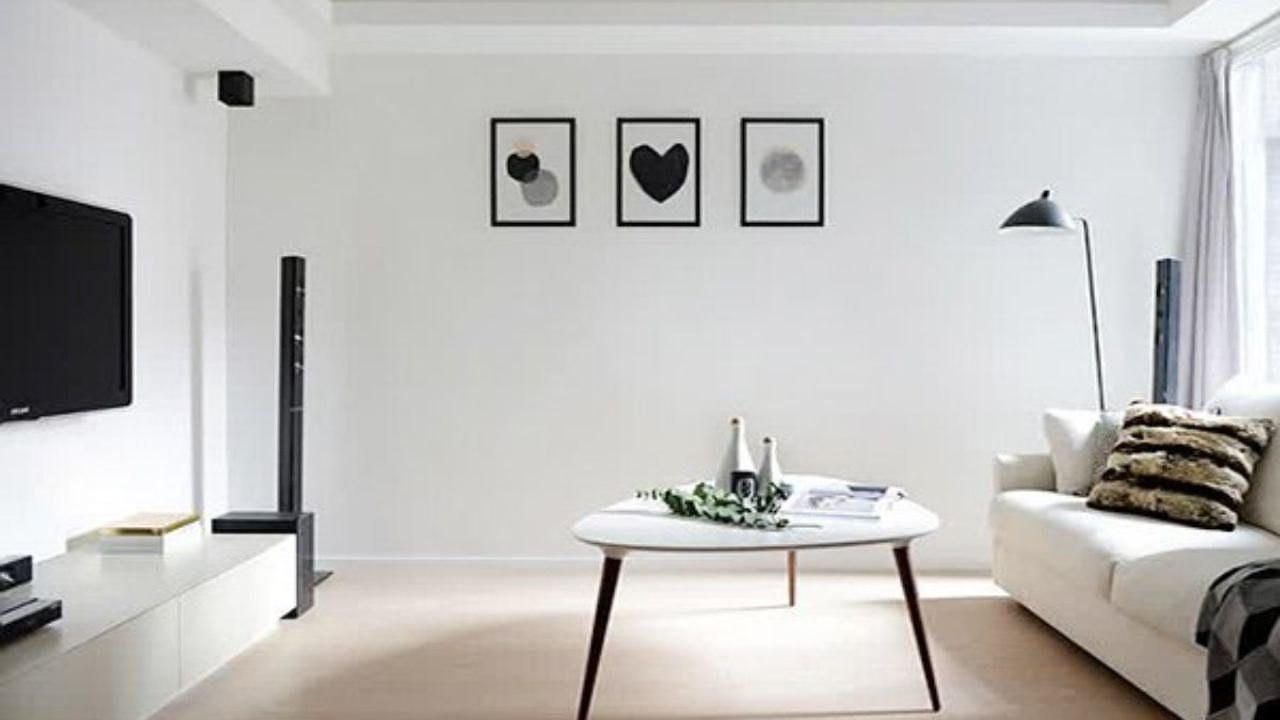
The best tools help you capture tasks, organize routines, and limit distractions with minimal effort. You should choose apps that match your biggest stress point, whether it is overwhelm, forgetfulness, or digital noise.
Keep your setup small, with only a few features you will actually use daily. A good app makes the next step obvious, then gets out of your way.
TickTick For Fewer Open Loops And Clear Daily Priorities
TickTick works well for simplifying because it combines tasks, reminders, and lightweight planning in one place. It helps you capture what is on your mind quickly, which reduces the stress of trying to remember everything.
You can set a short daily list that reflects your real capacity, not an unrealistic wish list. When tasks are organized, your brain stops treating them like constant background threats.
This supports a simpler day because you waste less time deciding what to do next. It also helps you end the day with a clearer shutdown.
StayFree For Cutting Digital Noise And Time Drain
StayFree is useful if your phone is a major source of distraction and mental clutter. It helps you see where your time goes, set limits, and reduce the mindless checking that keeps your brain overstimulated.
This matters because digital overload increases stress and reduces your ability to rest, even when you are technically “off.” When you reduce scrolling and app hopping, your evenings feel calmer, and your sleep readiness improves.
A simpler digital life often leads to a simpler real life. The goal is not zero screen time. Intentional use supports your well-being.
Conclusion
Choosing to simplify your life is a practical way to protect mental health, support physical well-being, and reduce everyday stress. You do it by cutting commitments, streamlining spaces, and building routines that reduce decisions and friction.
The benefits show up as clearer thinking, steadier energy, and more consistency with sleep and healthy habits.