
If it feels hard to change habits, you are not imagining it. Many people find it hard to change habits because repeated behaviors become tied to routines, cues, and situations that happen almost automatically.
That is why good intentions often fade even when you want change badly. This guide explains why habit change feels difficult, what gets in the way, and how to build a simpler system that makes progress easier to repeat.
Why Habits Feel So Hard To Change In Daily Life
Habit change can feel frustrating because habits are not only about motivation in daily life.

They are often linked to repeated patterns in your day, including time, place, emotion, and routine.
Psychology education materials and behavior change guidance commonly explain habits as learned patterns that become easier to repeat over time. That is why changing a habit often requires changing the context around it, not only your mindset.
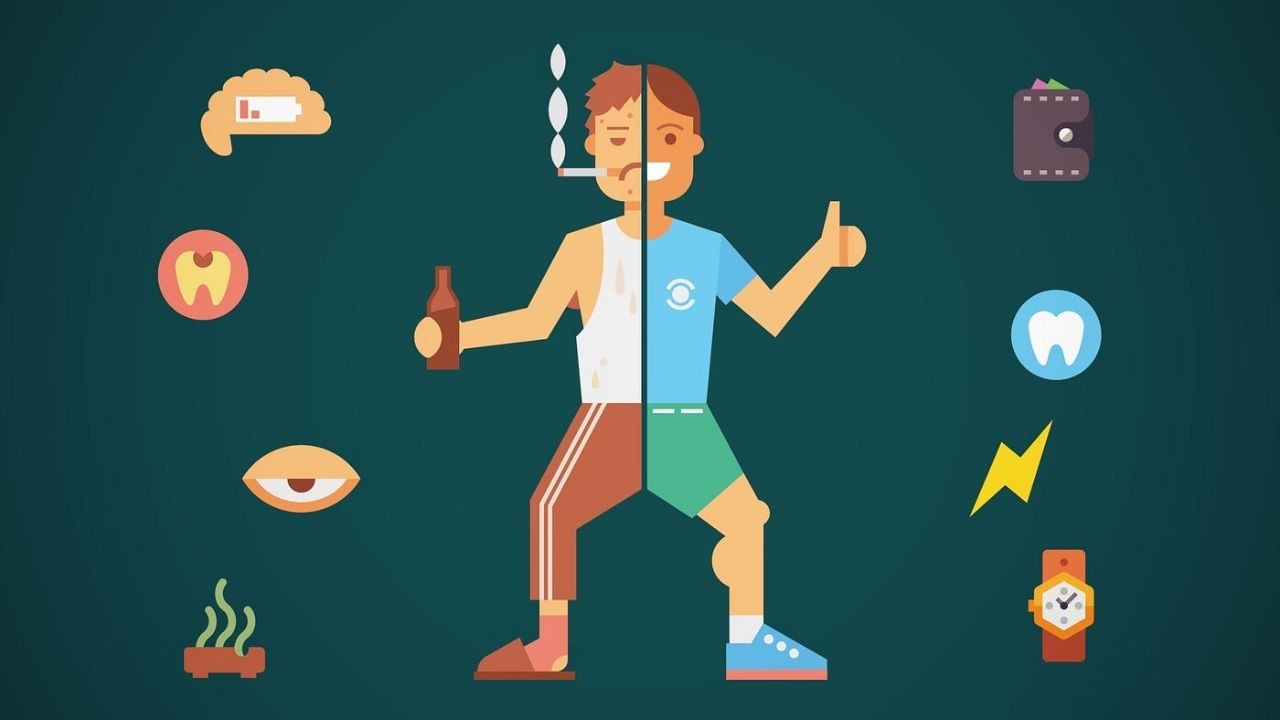
How Habit Loops Shape Repeated Behavior
A habit usually forms through repeated habit loops where a cue leads to a routine and then some kind of reward or relief. Over time, your brain learns that pattern and begins to run it faster with less effort.
The cue, routine, reward structure is a useful way to understand how habits are developed. When a behavior is repeated in the same context, it becomes easier to do again.
Why Familiar Actions Feel Easier Than New Ones
Familiar actions often feel easier because they require less deliberate thinking in the moment. Much of your behavior can be driven by routines shaped by context, rather than constant conscious intention.
That does not mean change is impossible, but it does mean new behaviors may feel effortful at first. Your brain is learning a less practiced path, and that takes repetition.
The Difference Between Intention And Habit Change
The gap between intention and change is one reason habit work feels so frustrating. Wanting to change and actually changing are not the same process.
Behavior change often moves through stages such as contemplation, preparation, action, and maintenance. A strong intention is useful, but habit change usually depends on planning, repetition, and follow-through in real situations.
The Hidden Reasons You Struggle To Change Habits
People often blame themselves when habit change fails, but hidden reasons usually matter more than willpower.

Stress, fatigue, environmental cues, and unrealistic expectations can pull you back into older patterns.
Behavior change guidance often emphasizes tracking behaviors, identifying triggers, and making specific changes instead of relying on motivation alone. When you address the setup, habit change becomes more practical and less discouraging.
Why Stress Pushes You Back To Old Patterns
Stress can make old patterns more likely because familiar routines feel faster and easier when your mental energy is low. Stress affects how people cope and respond day to day, which can make behavior change harder to sustain.
In practice, this means stressful periods often pull you toward automatic behaviors. Building stress management support into your plan can protect habit change progress.
How Your Environment Reinforces Current Habits
Your environment reinforces your current habits more than most people realize. If the cue for an old habit stays in the same place every day, the behavior remains easy to repeat even when your intention changes.
Reflection on time, context, and feelings can help reveal what drives repeated behavior. Changing your surroundings can reduce friction for the new habit.
Why Starting Too Big Makes Change Harder
Starting too big is one of the most common mistakes in habit change. Trying to change too much at once can make consistency harder to maintain.
Big goals can feel motivating at the start, but they often create a daily workload that is difficult to repeat. Smaller actions are easier to sustain, and consistency is what builds the new pattern.
How To Change Habits In A Way That Actually Lasts
A habit plan that actually lasts is better than a perfect plan you cannot maintain. The goal is to reduce friction, make the new behavior easy to repeat, and build consistency before intensity.

Strong behavior change methods support specific goals, self-monitoring, and gradual progress over all-or-nothing attempts. When your system is realistic, habit change feels less like a test of willpower and more like a repeatable process.
Start With Small Actions You Can Repeat
Begin with small actions that feel almost too easy to fail. If you want to read more, start with a few minutes; if you want to exercise, start with a short walk or a brief routine.
Manageable goals are easier to start and maintain. Small actions may look modest, but they build repetition, and repetition is what turns effort into habit.
Use Cues And Routines To Support Consistency
Clear cues and routines make new habits easier to repeat. You can attach the new behavior to something that already happens in your day, such as after breakfast, after brushing your teeth, or after opening your workday planner.
The cue, routine, reward framework helps make behavior change more visible and easier to design. Consistency improves when the cue is clear.
Track Progress Without Chasing Perfection
It helps to track progress because visible progress makes habit change easier to understand. Reflection and recording behavior patterns support awareness of triggers and progress over time.
The point of tracking is not to create pressure or punish missed days. It is to help you see what is working, what interrupts the habit, and where a small adjustment can help.
Apps That Can Help You Change Habits More Easily
If you want to change habits easily, the right app can reduce friction and make progress easier to see.

The best tools do not replace effort, but they can support reminders, tracking, and structure.
The apps below have not been used in your earlier articles in this thread, and each supports a different style of habit-building. Choose based on what you need most: motivation, simplicity, or long-term trend tracking.
Habitica For Gamified Motivation And Daily Momentum
Habitica works well for people who respond to gamified motivation and need more engagement to stay consistent. It presents tasks and habits in a game-style format, which can make daily repetition feel less repetitive.
This style can help when standard habit trackers feel too plain or easy to ignore. It works especially well if motivation drops when tracking feels boring.
Streaks For Simple Habit Tracking And Consistency
Streaks is built around simple habit tracking and momentum from daily completions. It helps people who do better with a clear visual sense of consistency over time.
It can also support automatic tracking for some health-related goals through device integrations. That reduces manual effort and makes habit tracking easier to maintain.
Loop Habit Tracker For Clear Trends And Long-Term Progress
Loop Habit Tracker is useful if you want long-term progress data without extra gamification features. It highlights reminders, charts, and trends so you can see how consistency changes over time.
This can help you stay motivated with evidence instead of emotion alone. It is a strong option for people who prefer a simple and minimalist tool.
How To Recover After Setbacks Without Quitting
Setbacks are normal, and learning setbacks without quitting is a major part of real habit change.

Difficult periods do not erase progress unless you treat them like a full stop. Missed days often trigger all-or-nothing thinking, which makes the setback feel bigger than it is.
A better response is to reset quickly, reduce friction again, and return to the next repeatable action.
Why Missing A Day Does Not Mean Failure
Missing a day usually says more about your schedule, stress, or energy than your long-term ability to change. The key is to avoid turning one interruption into a new pattern.
A single lapse does not cancel previous progress or prove the habit will not work. It is a data point that can help you adjust your plan.
How To Reset A Habit After A Disrupted Week
After a disruption, the fastest way to reset a habit is to restart with the smallest version of the behavior. Do not try to compensate with a bigger effort just because you missed time.
Review what changed in your environment or schedule, then make the cue easier to follow again. Recovery is faster when you focus on the next repeat, not the missed streak.
Building A Habit System You Can Keep Long Term
A long-term system matters more than short bursts of motivation. That system usually includes small actions, clear cues, simple tracking, and a plan for stressful days.
Long-lasting change depends on routine, repetition, and realistic progress over perfection. When the system fits your actual life, habits become easier to change and easier to keep.
Conclusion
If it has felt hard to change habits, the problem may not be your effort but motivation alone as your strategy. Habit change becomes more manageable when you understand automatic patterns, reduce triggers, start smaller, and use tools that make repetition easier.
With a practical system, even small actions can build meaningful progress over time. Start with one habit, one cue, and one simple repeat this week, then let consistency do the work; motivation cannot sustain.