
If your budget feels tighter than it did a few years ago, expensive subscriptions may be part of the reason.
Many people now pay recurring fees for streaming, storage, shopping benefits, fitness apps, and software, which makes expensive subscriptions feel like a constant drain on cash flow.
This article explains why subscription prices are rising, what factors increase your total cost, how to avoid overpaying, and three apps that can help you control recurring spending.
Why Expensive Subscriptions Now Feel Like A Bigger Lifestyle And Money Problem
Subscriptions used to sit in a few categories, but they now cover a large part of daily life, creating a bigger lifestyle problem for many households.
Entertainment, productivity tools, learning services, and wellness apps all compete for the same monthly budget.

Because most charges renew automatically and bill on different dates, the total is harder to track than a one-time purchase. That is why many households feel pressure without seeing one clear source of the problem.
How Subscription Spending Became Part Of Everyday Life
Many companies adopted subscriptions because recurring revenue helps support product updates, customer service, and ongoing maintenance across everyday life services.
For users, the model can feel convenient because it reduces upfront costs and keeps services active without repeated checkouts.
The tradeoff is that services that were once occasional purchases can become permanent monthly expenses. As more industries use this model, recurring charges take a larger share of household income.
Why Small Monthly Charges Add Up Faster Than Expected
A single subscription often seems inexpensive on its own, making it easy to approve and ignore small monthly charges at first.
The problem appears when multiple services stack together and continue renewing month after month.
A few small charges across streaming, cloud storage, and premium app features can become a meaningful annual expense. Many people are surprised not by one price, but by the combined total that grows quietly over time.
What Is Pushing Subscription Prices Higher Across Different Services
Subscription prices are rising for reasons that are often broader than one company's decision, which is why higher subscription prices are now common across categories.

Businesses face higher costs for staffing, infrastructure, payment processing, technology development, and customer support.
Some services also invest heavily in content, software improvements, and security, which increases long-term operating expenses.
When those pressures grow, companies often adjust pricing, reduce lower-tier value, or push users toward more expensive plans.
Inflation And Operating Costs Continue To Affect Pricing Decisions
Inflation increases the cost of doing business across many industries, and operating costs are a major pressure point for subscription companies.
Payroll, cloud hosting, vendor contracts, and support operations can all become more expensive over time.
Major inflation tracking from government sources such as the U.S. Bureau of Labor Statistics has shown continued cost pressure in recent years. When operating costs rise, subscription prices often follow, even when the service looks mostly unchanged.
Tiered Plans And Feature Segmentation Increase What Users Actually Pay
Many services now keep a lower-priced plan available while moving the most useful features into higher tiers through tiered plans. A basic plan may include ads, lower limits, reduced tools, or restrictions that push users to upgrade.
This makes the advertised entry price look manageable while the real preferred experience costs more. Over time, users may feel they are paying extra just to keep the level of service they expected before.
Hidden Costs That Make Expensive Subscriptions Harder To Notice
The biggest subscription problem is often not the main price shown on the sign-up page, but hidden costs that build in the background.
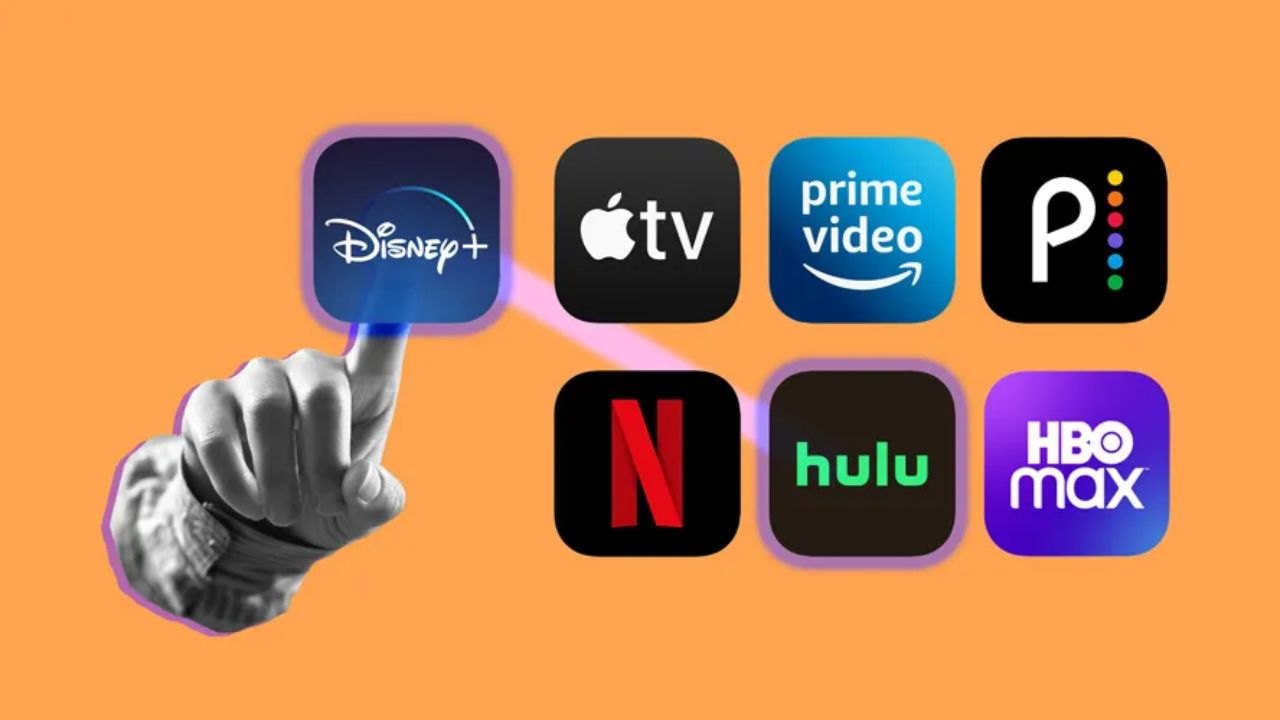
People frequently overpay because of trial conversions, add-ons, overlapping services, and renewals they do not review regularly.
These costs tend to grow slowly, which makes them easy to ignore during busy months. By the time the total feels uncomfortable, several small decisions may already be affecting the monthly budget.
Introductory Offers And Free Trials Can Shift To Higher Rates Quietly
Promotional pricing can be useful when used carefully, but free trials and discounts can hide the long-term price of a service.
A discount or free trial may convert automatically to a standard rate that is much higher than the initial offer.
Consumer protection guidance from agencies like the FTC regularly reminds users to check renewal terms and cancellation timelines. Without reminders, the higher rate can become part of your routine spending.
Add-ons And Overlapping Services Create A Slow Budget Leak
Many subscriptions become expensive because users add premium features, family upgrades, storage, or bundles over time, creating a slow budget leak.
At the same time, people may keep multiple services that solve the same need, such as duplicate streaming or productivity tools.
Each extra charge may feel reasonable, but the combined effect can be wasteful. A quick review of usage often shows at least one service that can be paused or downgraded.
How To Avoid Overpaying For Subscriptions Without Canceling Everything
Cutting subscription costs does not require canceling every service you enjoy, because the goal is to avoid overpaying while keeping useful services.

A better strategy is to build a simple review process that protects convenience while reducing low-value recurring charges.
The goal is to make subscription decisions visible and intentional instead of automatic. With a few basic habits, you can reduce monthly spending and still keep the services that support your work, lifestyle, or family routines.
Audit Your Recurring Charges Once Each Month
Start with a monthly audit by listing every subscription from your credit cards, bank accounts, app stores, and payment wallets.
Record the amount, billing date, category, and how often you actually use the service each month.
This turns a vague feeling of overspending into a clear list you can manage. Many people find savings quickly once all recurring charges are visible in one place instead of scattered across statements.
Use Rotation And Spending Rules To Keep Costs Under Control
Using rotation and rules is a practical way to lower costs without losing access to useful services throughout the year. You can keep one service active in a category and pause others until you need them again.
It also helps to set rules, such as a monthly subscription cap or a reminder before any free trial ends. Small systems like these reduce impulse sign-ups and prevent subscription creep from growing unnoticed.
Apps That Can Help You Reduce Subscription Costs More Consistently
Apps can make subscription management easier because they improve visibility, reminders, and recurring charge tracking, helping you reduce subscription costs more consistently.

The best tools help you identify what is billing, when it renews, and how much you are spending each month.
They work best when paired with your own monthly review routine, not as a replacement for it. Here are three useful options for people who want better control over subscription costs.
Rocket Money For Tracking Recurring Charges And Alerts
Rocket Money is widely used for subscription tracking and recurring expense visibility inside a broader budgeting workflow.
It is helpful for users who want to see recurring charges in one place and receive reminders about upcoming payments.
The app is especially useful when subscription costs are spread across multiple cards or accounts. For many people, better visibility is the first step toward reducing waste and canceling low-use services.
Bobby For Simple Manual Subscription Monitoring
Bobby is a cleaner option for people who prefer manual tracking instead of connecting bank accounts to an app. It allows users to log subscriptions, renewal dates, and recurring totals in a straightforward, easy-to-review format.
This can work well for someone who already budgets but wants a dedicated place to monitor subscriptions. The simplicity is a strength if you want to focus without a complex dashboard.
Hiatus For Subscription And Bill Visibility In One Place
Hiatus is designed to help users track subscriptions and bills while improving visibility into recurring expenses. It can be useful for people who want a broader view of monthly obligations, rather than tracking subscriptions alone.
Seeing subscriptions next to other recurring bills can make budget decisions easier and more realistic. For users trying to reduce costs gradually, that full view can support better choices month after month.
Conclusion
The challenge with expensive subscriptions is not only that prices have gone up, but also that recurring charges now cover more parts of everyday life.
If you audit your subscriptions, use rotation and spending rules, and track recurring charges with the right apps, you can cut costs without cutting every convenience.