
The cost of living is now a daily concern for many households, not just an economic headline. When people talk about the cost of living, they are usually describing the gap between what life costs each month and what their income can comfortably cover.
This guide explains why prices keep rising, what drives the pressure in real life, how to lower your exposure, and which finance apps can help you stay organized while costs remain high.
Why Rising Living Costs Feel Bigger Than A Typical Price Increase
The pressure many people feel is not only about inflation reports. It is also about how often essential bills rise at the same time, including food, rent, transport, and utilities.

Even when inflation slows compared with earlier peaks, prices can remain elevated, which means households still live with a higher monthly baseline.
What The Cost Of Living Looks Like In Daily Life
In practical terms, routine spending shows up when routine spending takes a larger share of your paycheck than it used to.
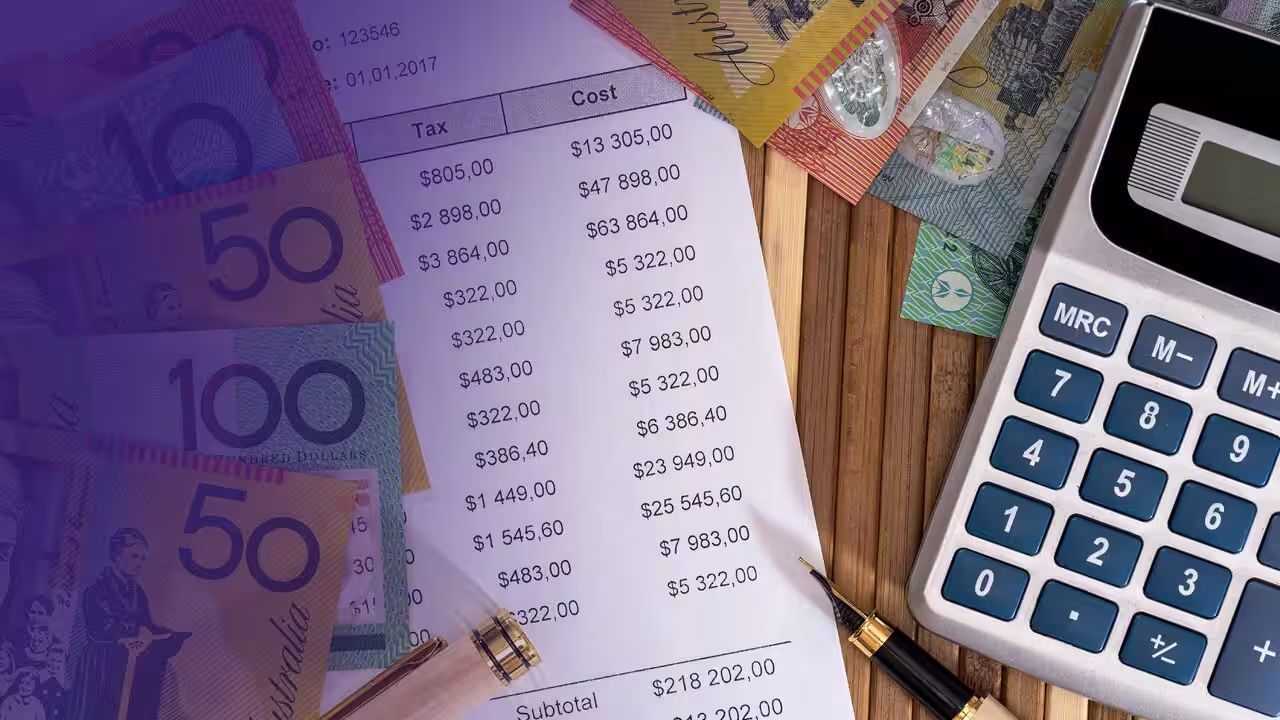
Groceries, housing, transport, and energy often move first, and they are hard to reduce because they are essential. That is why families may feel financial strain even if they are not spending more on optional items.
Why Essentials Create The Most Financial Stress
Essential items matter more because households cannot delay them for long. If rent, electricity, fuel, or food costs rise, people must adjust quickly by cutting elsewhere, using savings, or carrying balances.
This creates financial stress faster than price increases in discretionary categories like entertainment or nonessential shopping.
Why Some Households Feel The Impact Faster Than Others
Lower income households are usually hit harder because a larger share of their budget already goes to necessities. When food and energy prices rise, there is less room to absorb the change without reducing other essential spending.
Research from the ECB and World Bank has highlighted how inflation in essentials can have stronger distributional effects on more vulnerable households.
The Economic Forces Behind Rising Cost Of Living Pressure
There is no single cause behind rising living costs. In recent years, economists and institutions have pointed to a mix of supply shocks, energy and food price volatility, supply chain disruptions, and broader inflation dynamics.

Understanding these forces helps you make better budgeting decisions because it shows which costs may remain unstable.
Inflation And Consumer Price Increases
Inflation means the general level of prices rises over time, reducing purchasing power if income does not keep pace. The IMF explains that inflation affects how households and businesses plan spending, contracts, and borrowing.
Even moderate inflation can feel severe when wages lag or when inflation is concentrated in categories people use every day.
Housing, Borrowing, And Utility Cost Pressure
Housing costs often increase through rent adjustments, mortgage costs, maintenance, and utility bills, which together can consume a large share of income.
Borrowing costs also affect monthly budgets because higher interest rates can raise payments on loans and credit products. This combination can make households feel squeezed even if some other prices stabilize.
Food, Energy, And Supply Shock Effects
Food and energy have been major drivers of inflation surges in many countries, especially during periods of global disruption.
IMF analysis and FAO reporting point to strong links between energy costs, agricultural prices, supply constraints, and food inflation trends. These categories matter because they pass through into transport, production, and household bills across the economy.
How Rising Costs Quietly Change Everyday Spending Decisions
When prices stay high, households usually respond in stages rather than all at once. People first trim optional spending, then delay purchases, and later start changing habits around groceries, transport, and subscriptions.

This gradual adjustment can help in the short term, but it can also hide recurring budget leaks if spending is not tracked carefully.
Grocery, Transport, And Energy Tradeoffs
These three categories often become the first pressure points because they affect daily routines and are difficult to avoid.
Households may switch brands, change shopping frequency, combine trips, or reduce energy use at home to control monthly costs. Those changes can help, but they work best when paired with a clear spending plan and regular review.
How Recurring Charges Expand Without Notice
Recurring charges can grow quietly through price increases, renewals, and multiple small subscriptions spread across apps and services. Because these charges are automated, people often notice them only after a stressful month-end.
In a high-cost environment, reviewing recurring expenses becomes one of the fastest ways to improve cash flow without major lifestyle changes.
Why Financial Fatigue Can Lead To Overspending
Financial fatigue happens when constant decision-making about bills and prices wears down attention. People may delay reviewing statements, avoid budgeting tasks, or spend impulsively for convenience when they feel overwhelmed.
A simple system for tracking spending can reduce this mental load and make better decisions easier to repeat.
Practical Ways To Minimize Cost Of Living Pressure Without Extreme Cuts
Most people do not need a perfect budget to improve their finances. What helps more is a repeatable system that protects essentials, reduces waste, and creates a small buffer for unpredictable price increases.

The goal is not to cut everything, but to make your spending more intentional while living costs remain elevated.
Prioritize Essentials And Build A Clear Monthly Baseline
Start by separating essential costs from flexible spending so you know your real monthly baseline.
This includes housing, utilities, groceries, transportation, minimum debt payments, and critical insurance, followed by everything else. Once you see that number clearly, it becomes easier to decide what to reduce and what to protect.
Lower Fixed Costs Through Comparison And Renegotiation
Fixed costs matter because small monthly reductions add up over a year. Compare internet plans, mobile service, insurance, and recurring subscriptions, then renegotiate or switch where practical.
This approach often produces more stable savings than trying to cut only variable spending, like occasional dining or impulse purchases.
Use Planning Habits That Prevent End-of-Month Shortfalls
Simple planning habits can reduce financial surprises, such as setting weekly spending limits, checking transactions midweek, and assigning money to upcoming bills before discretionary spending.
This kind of structure is especially useful when prices fluctuate because it helps you adjust early instead of reacting late. Consistency matters more than intensity when building better financial control.
Finance Apps That Help You Manage Money As Living Costs Rise
Apps cannot solve inflation, but they can improve visibility, planning, and decision quality.

The best tools help you track transactions, organize recurring bills, and set realistic spending targets so rising costs do not catch you off guard. Below are three finance apps with features that are especially useful when the cost of living stays high.
YNAB For Intentional Budget Planning
YNAB is built around assigning your available money to specific categories and priorities, which supports intentional spending decisions.
Its official materials emphasize target-setting, goal-tracking, and a method designed to help users plan what money needs to do before they spend it. This can be useful when higher prices require more active choices across essentials and nonessentials.
Monarch Money For Household Visibility And Recurring Spending Reviews
Monarch Money focuses on bringing accounts, transactions, budgets, and recurring charges into one place.
The company highlights features such as shared household views, recurring subscription detection, transaction review, and budgeting options that can fit different planning styles.
For households managing rising bills together, that combined view can make financial discussions more practical and less reactive.
PocketGuard For Cash Flow Awareness And Bill Tracking
PocketGuard positions itself as a budgeting and finance planning app with tools for expense categorization, bills, debts, subscriptions, and spending insights.
Its product pages also describe features aimed at showing what remains safe to spend after accounting for bills and goals. That cash flow focus can help users avoid overspending during months when essentials come in higher than expected.
Conclusion
The cost of living may remain a challenge even when inflation headlines improve, because households still face higher prices in their monthly routines. The most effective practical response is a practical one that combines better spending visibility, stronger prioritization, and small changes to recurring costs.
If you understand what is driving price pressure and use simple tools to plan ahead, you can reduce financial stress and make your budget more resilient over time.