
Your budget can look fine on paper and still feel tight in real life. One major reason is hidden expenses, the small and repeated charges that slip into your month without getting much attention.
These costs are not always dramatic, but they can quietly weaken your cash flow and make it harder to stay on track.
This guide explains how to identify hidden monthly expenses, what causes them, how to avoid them, and which apps can help you prevent them.
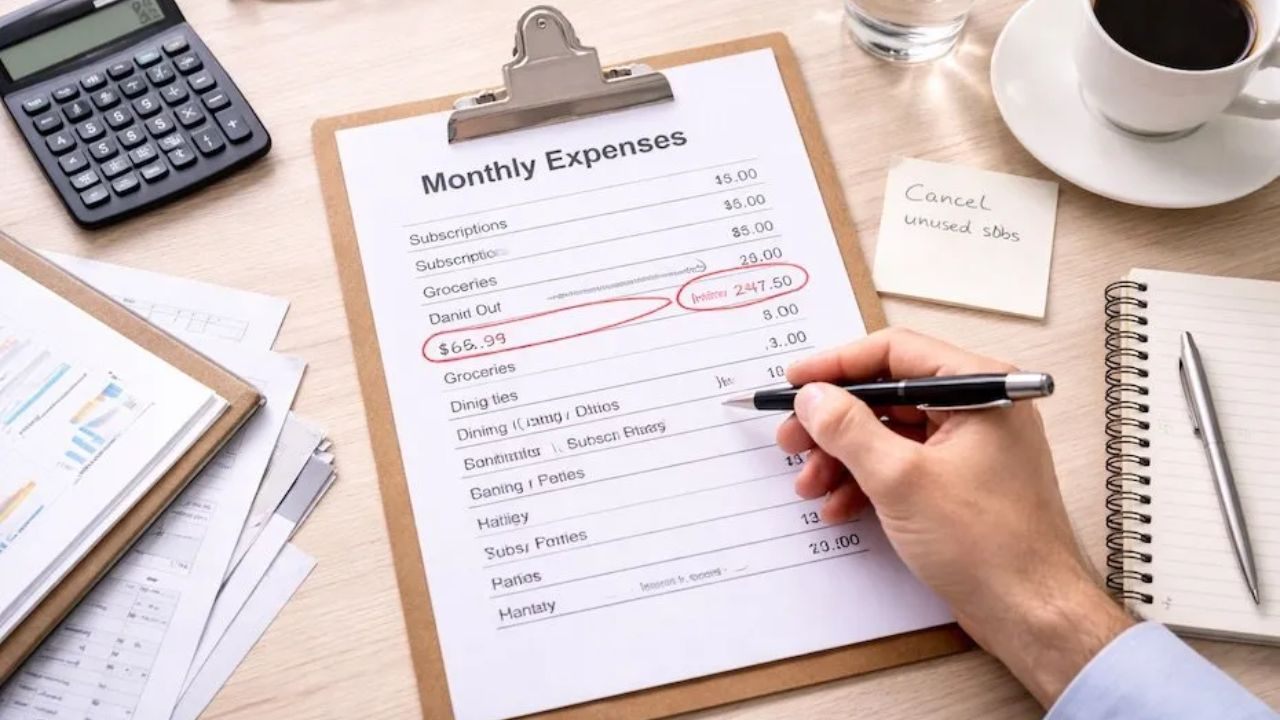
Why Hidden Monthly Expenses Are Easier To Miss Than You Think
Hidden expenses usually do not show up as one big financial mistake. They appear as scattered charges that feel routine, small, or easy to ignore, which is exactly why they keep recurring.
Over time, they create a gap between what you think you spend and what you actually spend, and that gap can make your budget feel unreliable even when your income has not changed.

Because many of these charges are tied to useful services, automated payments, or convenience, they often avoid the scrutiny that larger purchases get, which is why hidden expenses become a budgeting problem as much as a spending problem.
What Counts As A Hidden Monthly Expense
A hidden monthly expense is not necessarily a fraudulent charge or an illegal fee. It is often a real cost that you agreed to at some point, but no longer track closely in your monthly plan.
Common examples include subscription renewals, service fees, app charges, delivery fees, and recurring account costs.
Some hidden expenses are fixed while others vary, and many people only notice them when they review statements carefully.
Why Small Charges Feel Harmless At First
Small charges often feel harmless because each one seems too minor to matter on its own. A small app fee, a convenience surcharge, or a delivery service charge may look insignificant compared with rent or groceries.
The problem starts when several of these charges repeat across multiple services and categories in the same month, and what felt small in isolation becomes meaningful in total.
In digital spending, fast payments with little friction can turn convenience into a budget leak over time.
How Hidden Costs Distort Your Budget
Hidden costs distort your budget because they weaken the accuracy of your planning.
If your budget does not include recurring service fees, renewals, and convenience charges, your expected monthly total will look lower than reality, which makes it harder to judge whether your spending habits are improving.
Many people then blame essentials when the real issue is scattered recurring charges. A stronger approach is to build your budget from actual transaction history and compare it with your ideal spending targets.
The Most Common Sources Of Hidden Expenses In Modern Life
Most hidden expenses come from systems designed to make spending easier.

Automatic billing, stored payment methods, in-app purchases, and service bundles reduce visibility, which helps convenience but also allows charges to continue long after you stop actively using a service.
Another common source is fragmented spending, where subscriptions, deliveries, and utilities are spread across different cards and accounts.
When charges are split across platforms, even careful consumers can miss the full picture and end up with routine budget pressure.
Auto Renewals, Trials, And Subscription Stacking
Auto-renewals are one of the most common hidden expense drivers because they rely on inaction. A free trial can become a paid plan, and a monthly plan can continue for months after your habits change, especially when you add multiple services over time.
This is subscription stacking, and the total often becomes visible only after months of accumulation. Because the charges are usually modest, they do not always trigger immediate concern.
Banking, Payment, And Service Fees
Fees can be some of the most frustrating hidden expenses because they often feel incidental rather than intentional.
These may include account maintenance fees, overdraft fees, ATM fees, payment processing charges, or late fees triggered by timing, and together they can create steady budget pressure.
Service fees in deliveries, tickets, and third-party platforms also add up, and even when each one is disclosed, the cumulative effect across a month can still be meaningful. Many people underestimate fees because they do not think of them as spending.
Delivery, Convenience, and In-App Spending Creep
Convenience spending is one of the fastest-growing categories of hidden monthly costs because it blends utility with impulse.
Food delivery fees, small in-app purchases, premium upgrades, and quick add-ons can look manageable at the moment, but they often happen during busy or tired periods when comparison is less likely.
That makes convenience a repeated budget leak, especially when platform names make charges harder to recognize on statements. Over time, the effect is cumulative, creating unexplained financial friction.
How To Identify Hidden Monthly Expenses In Your Own Spending
Finding hidden expenses does not require advanced budgeting skills. It requires a structured review of what already happened in your accounts, using your statements as the primary source of truth instead of memory.

Most people are surprised by what becomes obvious once they review transactions line by line.
A simple review process works best when you use a repeatable method that helps you detect recurring charges, duplicate services, and fee patterns before they keep repeating.
Reviewing Bank And Card Statements The Smart Way
Start with the last two or three months of transactions from your bank accounts and credit cards.
Group charges into broad categories such as subscriptions, fees, groceries, transport, food delivery, and digital purchases so you can move from isolated charges to recognizable patterns.
Then mark recurring or repeated charges as keep, cancel, or review later. This simple process reduces decision fatigue and makes follow-up easier.
Spotting Repeating Charges And Annual Billing Traps
Look for charges that repeat monthly, quarterly, or annually, especially for subscriptions, memberships, software, and digital services.
An annual billing trap happens when you mentally convert a yearly charge into a monthly amount and forget how large the actual payment is when it arrives, which can disrupt cash flow.
Merchant names may also appear differently on statements, so unclear repeat charges should be treated as a warning sign. Timing matters as much as amount when reviewing recurring costs.
Separating Essential Recurring Costs From Waste
Not every recurring charge should be cut. Some are necessary and worth protecting, such as utilities, insurance, and services you truly use, while others are low-value or forgotten costs that weaken your budget.
The goal is to separate essential recurring spending from waste so you can build a more realistic budget. A sustainable budget is based on relevance, not extreme reductions that are difficult to maintain.
How To Avoid Hidden Monthly Expenses Without Cutting Everything
Avoiding hidden expenses is mostly about building better controls, not living with constant restriction.

Prevention works better than cleanup because recurring charges are easier to stop before they repeat than after they have already drained your cash flow.
A monthly review day, a renewal reminder system, and a few alerts can reduce many hidden costs without forcing you to remove every convenience. These habits are simple, repeatable, and much easier to maintain than a strict budget reset.
Building A Monthly Expense Review Habit
Choose one fixed day each month for a full expense review. Use that time to scan transactions, review subscriptions and fees, and compare spending with your budget categories so you can catch problems before they become patterns.
This habit is especially useful when you use multiple accounts or cards because it creates one point of visibility. Over time, consistency is what makes the system effective.
Setting Alerts, Limits, And Renewal Reminders
Alerts and reminders can prevent many avoidable charges before they happen. Low balance alerts, bill due reminders, and renewal notifications give you time to move money, cancel services, or downgrade plans before charges post.
They also reduce late fees and overdraft risk caused by timing problems. This helps you stay intentional about recurring spending instead of reacting after the fact.
Creating A Buffer For Unplanned Charges
A monthly buffer can make hidden expenses less disruptive while you improve your tracking system.
Even a modest cushion helps absorb unexpected fees, price adjustments, or timing issues without forcing you to borrow or miss priorities, which protects your cash flow.
The buffer is not a replacement for better tracking, but it gives your budget resilience while you build stronger habits. Over time, it becomes easier to maintain as you cut waste.
Apps That Help Prevent Hidden Monthly Expenses
Finance apps cannot remove hidden expenses on their own, but they can improve visibility, organization, and make better decisions.

They work best when used with a monthly review routine because they help flag recurring payments, category patterns, bill timing, and available cash across multiple accounts.
If your goal is prevention, choose tools that make recurring charges easier to review, not just apps that summarize totals. The value is in visibility that supports action.
Rocket Money For Subscription And Bill Monitoring
Rocket Money is widely used for subscription tracking and bill monitoring, which makes it practical for spotting recurring payments tied to free trials, forgotten services, and stacked subscriptions.
It helps users review ongoing bills in one place, making it easier to catch charges that create budget leaks.
For people focused on prevention, the biggest advantage is speed and visibility. It supports faster review, even though it should still complement manual statement checks.
Monarch Money For Full Spending Visibility
Monarch Money works well for people who want a broader view of household finances, rather than just subscription tracking.
It combines budgeting, transaction review, cash flow visibility, and recurring expense tracking, which helps users see hidden costs in the context of the full monthly picture.
This can be especially useful in shared households where spending is spread across people and accounts. Visibility supports coordination and makes adjustments easier before money gets tight.
PocketGuard For Cash Flow And Spending Limits
PocketGuard is useful for people who need stronger day-to-day awareness of what is safe to spend.
Its budgeting and cash flow approach helps users account for bills, subscriptions, and recurring obligations before making additional purchases, which can create Clearer limits and reduce end-of-month mistakes.
It is especially helpful when hidden expenses make spending feel unpredictable. By narrowing the gap between perceived and available money, it reduces budget friction.
Conclusion
Hidden expenses are rarely caused by one bad choice. They usually come from low visibility, automatic billing, and small repeated charges that continue without review.
The good news is that they can often be reduced with a simple system built around statement checks, recurring charge reviews, reminders, and alerts. When you make hidden spending visible, your budget becomes easier to trust and much easier to manage.