
If your home feels harder to manage than it should, home organization is one of the most effective ways to improve daily life. Good home organization is not about creating a picture-perfect space that only looks tidy for a few hours.
It is about reducing friction, saving time, and making everyday routines easier to complete. This guide breaks down a practical approach you can use to organize your home in a way that works on normal days, not just cleaning days.
What Home Organization Really Changes In Everyday Life
Home organization is often treated as a visual upgrade, but its biggest functional impact is in how your space supports real routines.

A well-organized space helps you find what you need faster, move through routines with fewer interruptions, and reduce the mental load that comes from constant searching and reshuffling.
It also makes it easier to maintain order because the home is set up to support daily use. That is why organization matters even more than decoration in busy households.
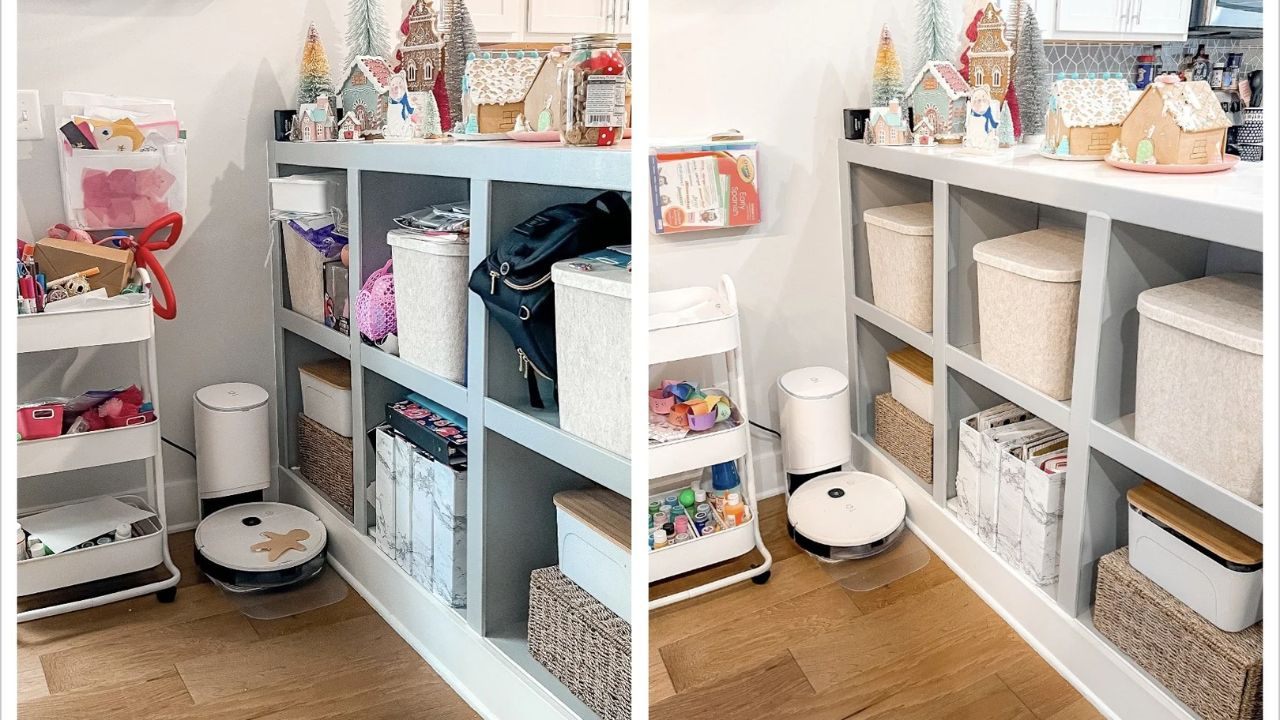
How Organized Spaces Reduce Friction In Daily Routines
When your home is organized around how you actually live, daily routines become easier to finish.
Getting ready in the morning, preparing meals, leaving the house on time, and cleaning up at night all take less effort when key items are stored where they are used.
This is what makes a good system practical instead of performative. It removes small obstacles that quietly waste time and energy every day.
Why Home Organization Helps You Manage Time Better
A disorganized home can quietly drain time in ways that are easy to underestimate. Looking for keys, chargers, documents, pantry items, or cleaning supplies can create repeated delays that add up across the week.
A better setup helps you manage time because routine tasks become faster and more predictable. When your home is easier to navigate, your day usually feels less rushed and more controlled.
What An Organized Home Should Actually Do For You
A useful home organization system should make your home work better on regular days, not only when you have extra motivation.
It should help household members return items to the right place, keep shared spaces usable, and make cleanup less stressful when life gets busy.
The goal is not perfection. The goal is a setup that protects your time, lowers clutter buildup, and supports how your household actually functions.
Common Home Organization Mistakes That Waste Time
Many organizing efforts fail because they start with the wrong priorities. It is common to buy storage before sorting, copy a system that looks good online, or organize by appearance without deciding what the space needs to do.
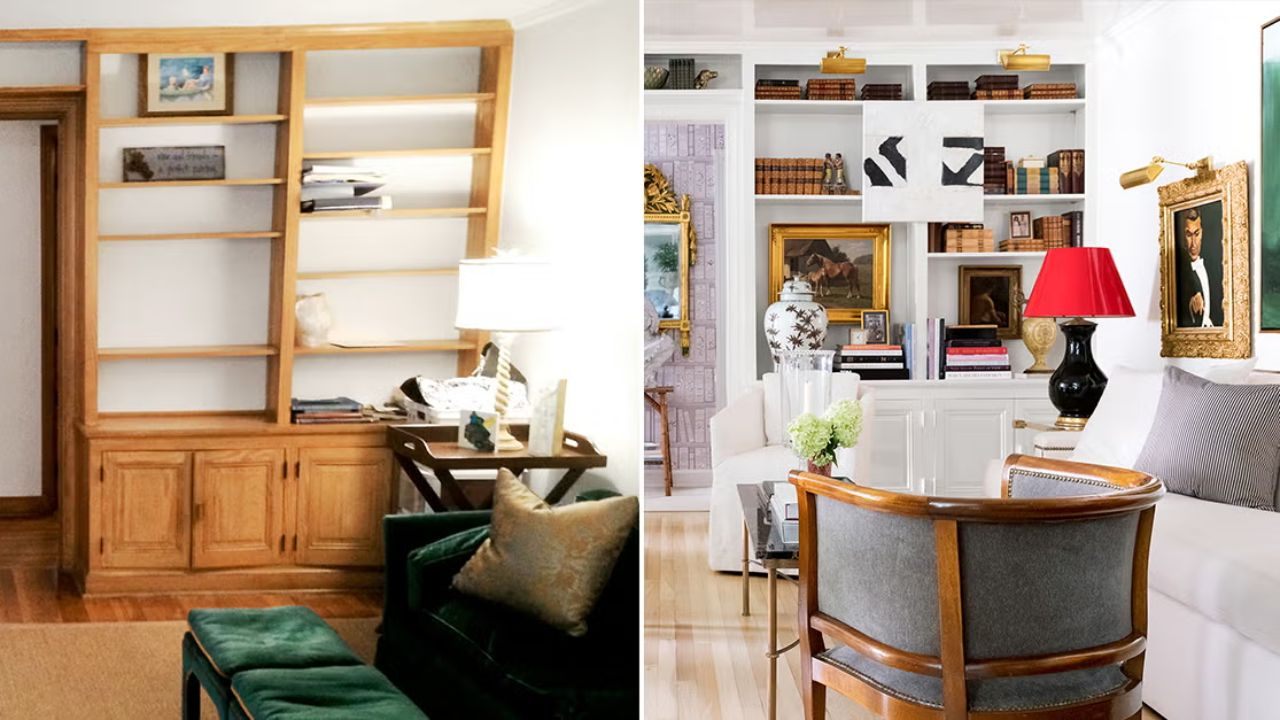
These choices may create a short-term visual improvement, but they often increase maintenance later. A stronger approach starts with function, simple systems, and decisions that match real daily routines.
Organizing Without A Clear Use-Based System
One of the most common mistakes is organizing by broad category only, while ignoring where items are actually used. Storing similar items together may look neat, but it can create extra steps if those items are needed in different parts of the home.
A use based system usually works better because it reflects daily behavior. An organization tends to last longer when storage decisions match how people move through the space.
Buying Storage Before Sorting What You Own
Another frequent mistake is purchasing baskets, bins, or containers before reducing what is in the room. Storage can help, but it does not solve overcrowding if too many items are still competing for space.
Sorting first helps you understand what needs to stay, what can leave, and how much storage is truly necessary. This prevents overfilled shelves and complicated setups that become harder to manage than the clutter itself.
Creating Systems That Are Too Hard To Maintain
Some organizing systems fail because they are too detailed for real life. If putting something away requires multiple steps, perfect folding, or strict labeling, most people stop following the system once the week gets busy.
A practical home organization setup should be easy to maintain when you are tired or in a hurry. Simple systems are often the most effective because they are easier to repeat every day.
How To Better Organize Your Home Step By Step
The most reliable organizing process focuses on function before appearance. You do not need to organize the entire home in one weekend, but you do need a method you can repeat room by room.
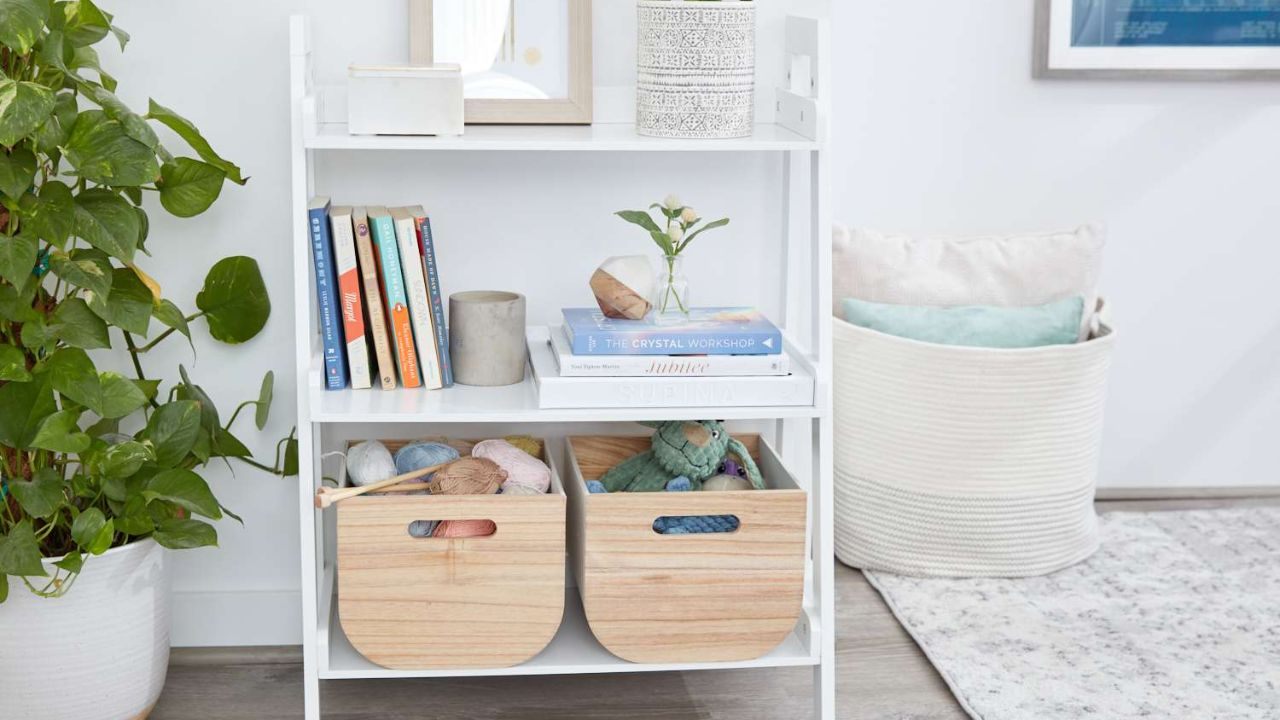
A step-by-step process usually starts with decluttering, then assigning clear homes for everyday items, and finally building short routines that keep the system in place. This approach creates steady progress without burnout.
Declutter First Before Rearranging Anything
Start by removing obvious trash, broken items, duplicates, and things you no longer use before you reorganize the space.
Rearranging clutter can make a room look different without making it easier to live in. Declutter first to get a clear view of what belongs there and how much storage you actually need.
It also prevents you from building a polished system around items that should not remain in the room.
Assign A Clear Home For Everyday Items
After reducing the volume, assign a consistent home for the things you use most often. Focus on high-use items such as keys, bags, chargers, kitchen tools, laundry supplies, and paperwork that tends to collect on surfaces.
A clear home for each item is usually near the point of use or where the item naturally gets dropped. When everyday items have a clear home, cleanup becomes faster and easier to maintain.
Create Short Reset Routines For Each Zone
An organization becomes sustainable when you build in short reset routines. A reset is a quick return to baseline, such as clearing the entryway, resetting kitchen counters, or putting remotes and chargers back in place.
These routines work because they stop clutter from spreading into larger messes. Even a short reset done consistently can protect the results of a much longer organizing session.
Apps That Make Home Organization Easier To Manage
Apps can support home organization when they reduce friction in household routines. The best tools help you manage recurring tasks, coordinate shared responsibilities, and keep track of what you own without creating more complexity.
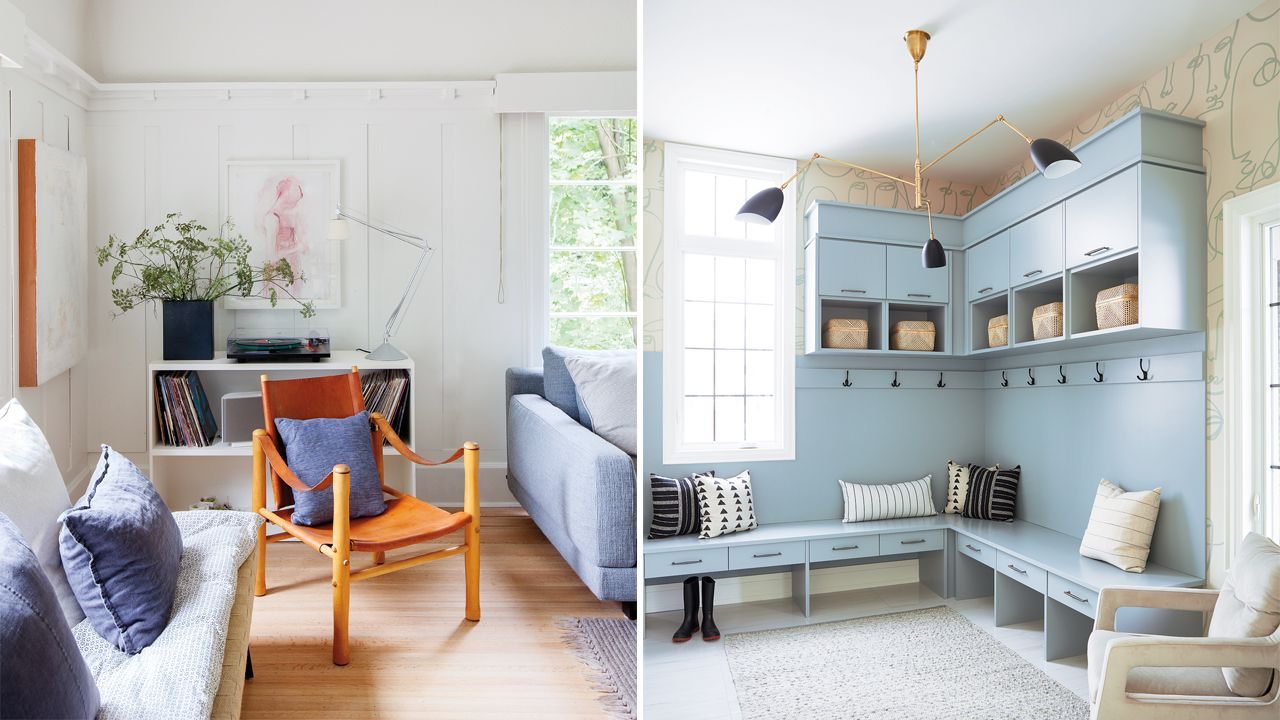
The apps below make home organization easier to manage for different needs, so you can choose based on whether your main challenge is upkeep, coordination, or storage visibility. Used well, they can make your home systems easier to maintain over time.
Tody For Cleaning Structure And Recurring Routines
Tody is useful for households that struggle with consistency in cleaning and reset routines.
It helps break upkeep into smaller, recurring tasks, which is often more realistic than relying on occasional deep-cleaning days.
That makes it a strong fit for home organization because organized spaces usually fall apart when maintenance is inconsistent. Tody can support a steadier routine across kitchens, bathrooms, and shared living areas.
OurHome For Shared Household Task Coordination
OurHome is a strong option for families, couples, or roommates who need better coordination around chores and household responsibilities.
It is designed for shared task management, helping make responsibilities more visible across the week.
Many home organization systems fail because one person carries the full maintenance load, while others are unclear about the system. A shared app can improve follow-through and reduce the need for repeated reminders.
Sortly For Tracking Stored Items And Home Inventory
Sortly is especially helpful for storage-heavy areas such as garages, utility spaces, closets, seasonal bins, and backup supplies.
It works as a home inventory tool, making it easier to track what you own and where it is stored.
This supports home organization because visibility reduces unnecessary searching and duplicate purchases. It can also save time when you need to find items quickly without opening multiple boxes.
How To Maintain Home Organization Without Constant Deep Cleaning
The best home organization systems are built for maintenance, not repeated full resets or constant deep cleaning.
Many people lose momentum because they assume staying organized requires frequent deep cleaning, when it usually depends more on short check-ins and clear routines.
A maintainable system breaks tasks into small actions over the week so clutter does not build up as quickly. This approach is more realistic, less exhausting, and easier to repeat long-term.
Weekly Check-ins That Keep Clutter Under Control
A weekly check-in helps you catch problems before they turn into a full reorganization project. This can be a short session to return items to their zones, clear surfaces, and reset spaces that drifted during the week.
The value of a weekly check-in is that it focuses on maintenance instead of perfection. It also gives you a chance to see which systems are working and which need small adjustments.
How To Involve Family Members In The System
Home organization is easier to maintain when everyone in the household understands how the system works.
That does not mean every person needs the same preferences, but shared spaces benefit from simple rules about where items go and how resets happen. Clear expectations reduce friction and repeated cleanup.
Even small agreements around entryways, kitchen counters, laundry, and shared storage can make the home function more smoothly.
Small Daily Habits That Protect Organized Spaces
Daily habits are what keep organized areas from slowly sliding back into clutter. Putting items back after use, clearing one surface before bed, and handling incoming paper right away are small actions that prevent bigger messes later.
These habits may look minor, but they reduce the need for time-consuming cleanup sessions. The most effective habits are short, specific, and attached to routines you already follow.
Conclusion
Strong home organization is not about buying more containers or chasing a perfect look. It is about creating systems that make your home easier to use, easier to maintain, and easier to share with the people who live there.
When you declutter first, assign clear homes, and support your setup with simple routines and the right apps, your space becomes more functional over time. Start with one high-traffic area, build a system you can repeat, and create a routine that fits real life.